|
|
||||||||||||||||||||||||||||
|
This is a comprehensive Portfolio of Decorative Art, Sculpture and Fresco click an image to open a larger version Images on this page are in a number of different Galleries on the Photoshelter website.
There are 11 Galleries in the Photoshelter Florence Collection
|
||||||||||||||||||||||||||||
|
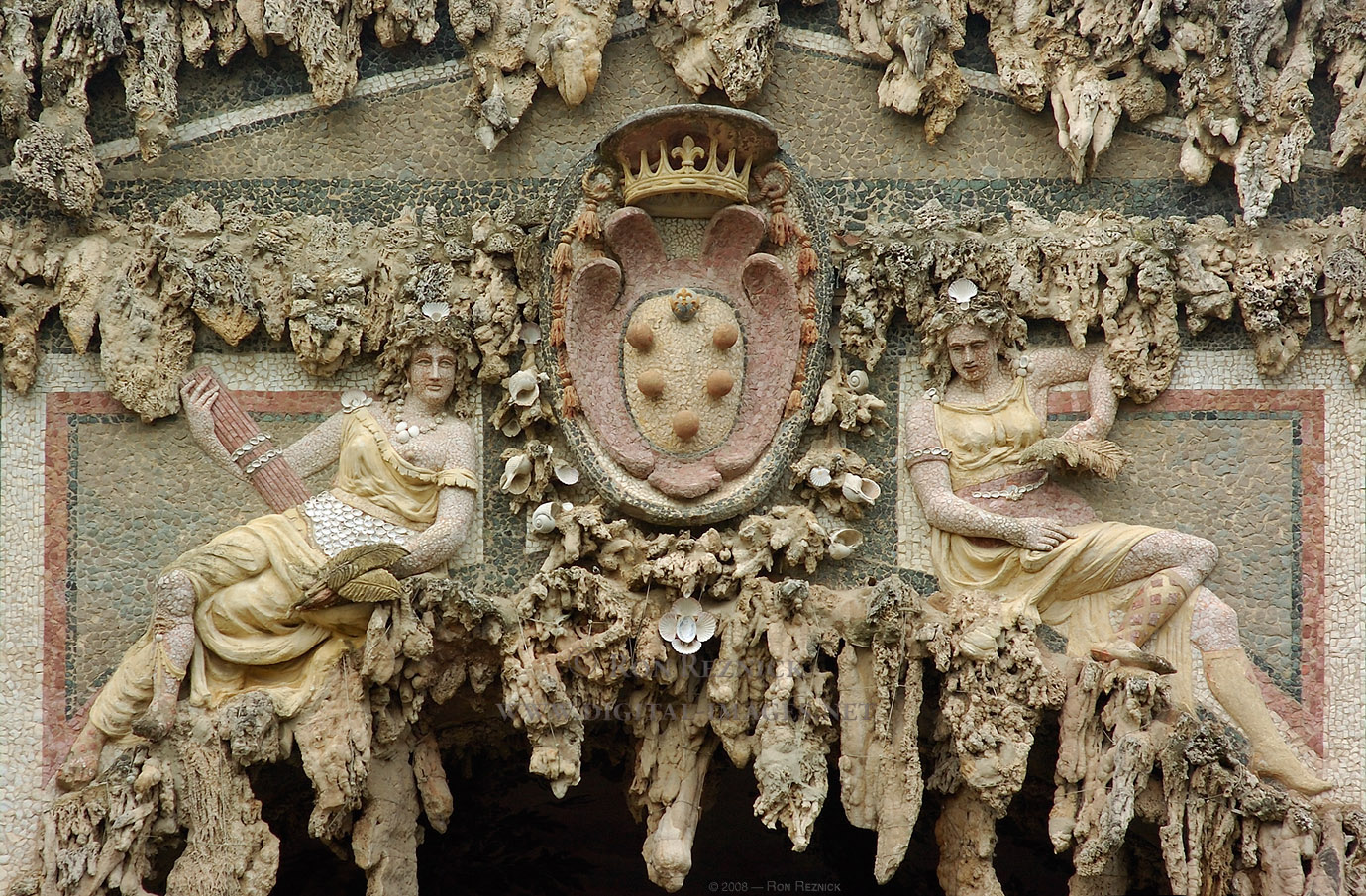
Medici Crest 4324 The Medici of Florence were a powerful trading and banking dynasty in the 14th Giovanni di Bicci de’ Medici, the first powerful family member (who started the Medici Bank)
|
||||||||||||||||||||||||||||
|
Palazzo Vecchio The City Hall of Florence, and until acquisition of the Palazzo Pitti,
|
||||||||||||||||||||||||||||
|
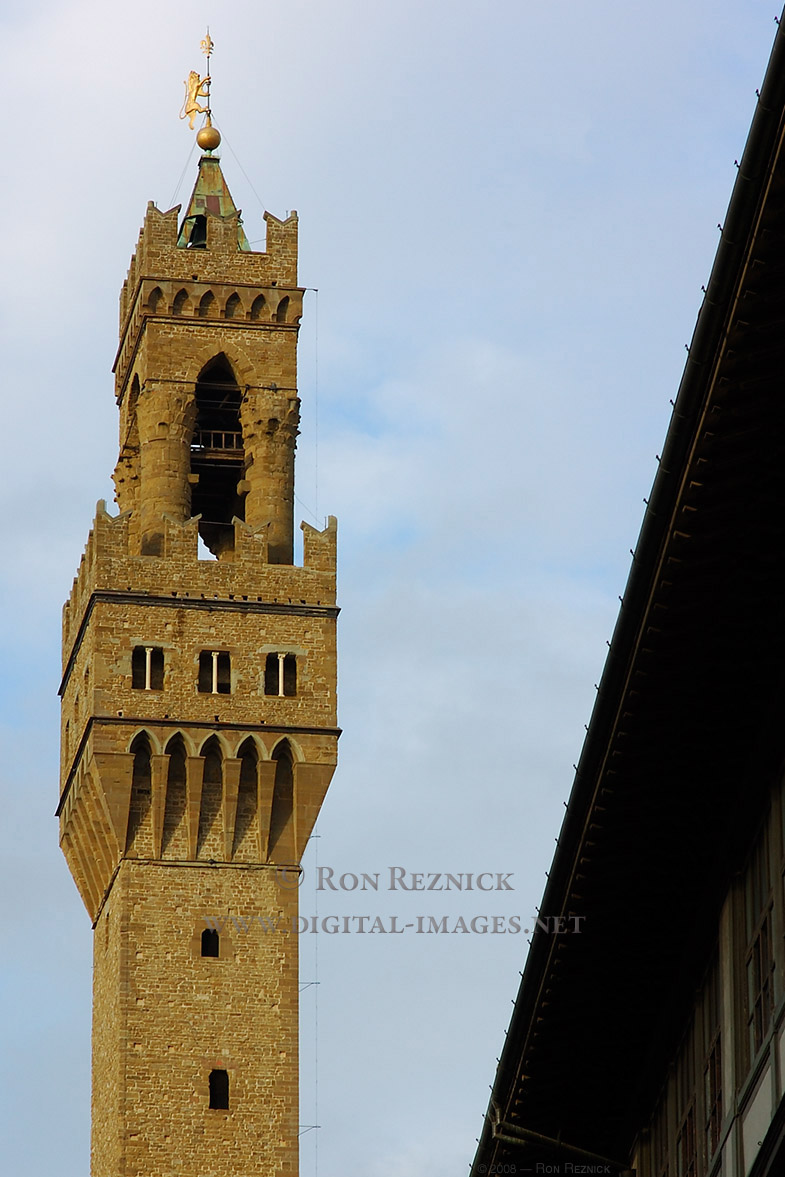
Arnolfo di Cambio's Tower 4157
|
Palazzo Vecchio 5321 Originally called the Palazzo della Signoria |
|||||||||||||||||||||||||||
|
Note that the tower has Ghibelline (swallow-tailed) merlons (extensions of the wall We’ll start in the Hall of 500, where Cosimo held Court, and move to his apartments from there.
|
||||||||||||||||||||||||||||
|
Clement VII Crowning Charles V These two sculptures were created by
|
Leo X Hall of 500 Palazzo Vecchio 5380
|
|||||||||||||||||||||||||||
|
On the raised audience stage (Udienza) created by Bartolommeo Bandinelli, where Cosimo I Bartolommeo (Baccio) Bandinelli created a number of superb small-scale sculptures, but
|
||||||||||||||||||||||||||||
|
Leo X Hall of 500 Palazzo Vecchio 5372 Bartolommeo Bandinelli was the sculptor and painter who trained Giorgio Vasari. He created The sculpture of Leo X was finished after Bandinelli’s death by Vincenzo de' Rossi.
|
||||||||||||||||||||||||||||
|
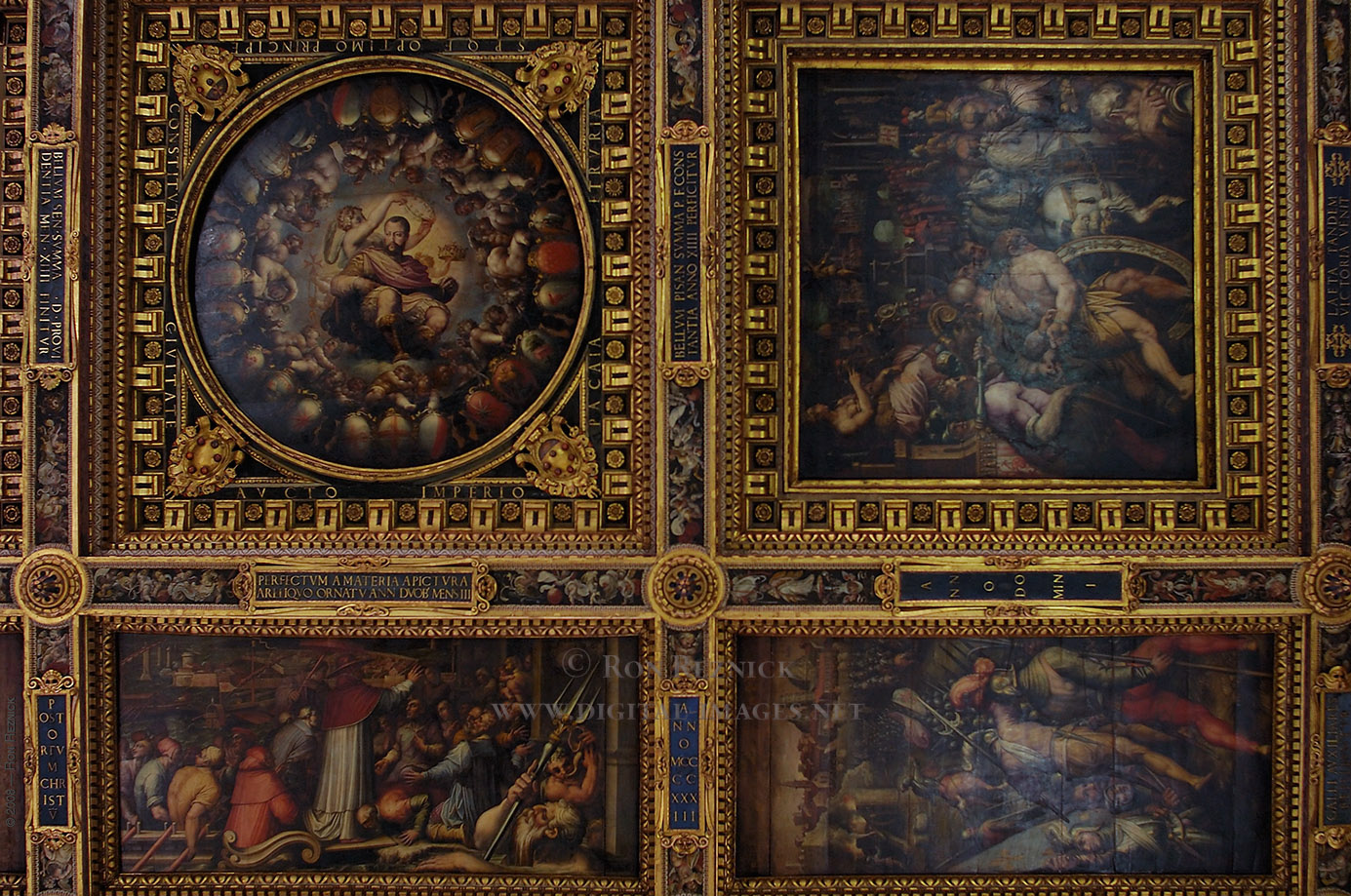
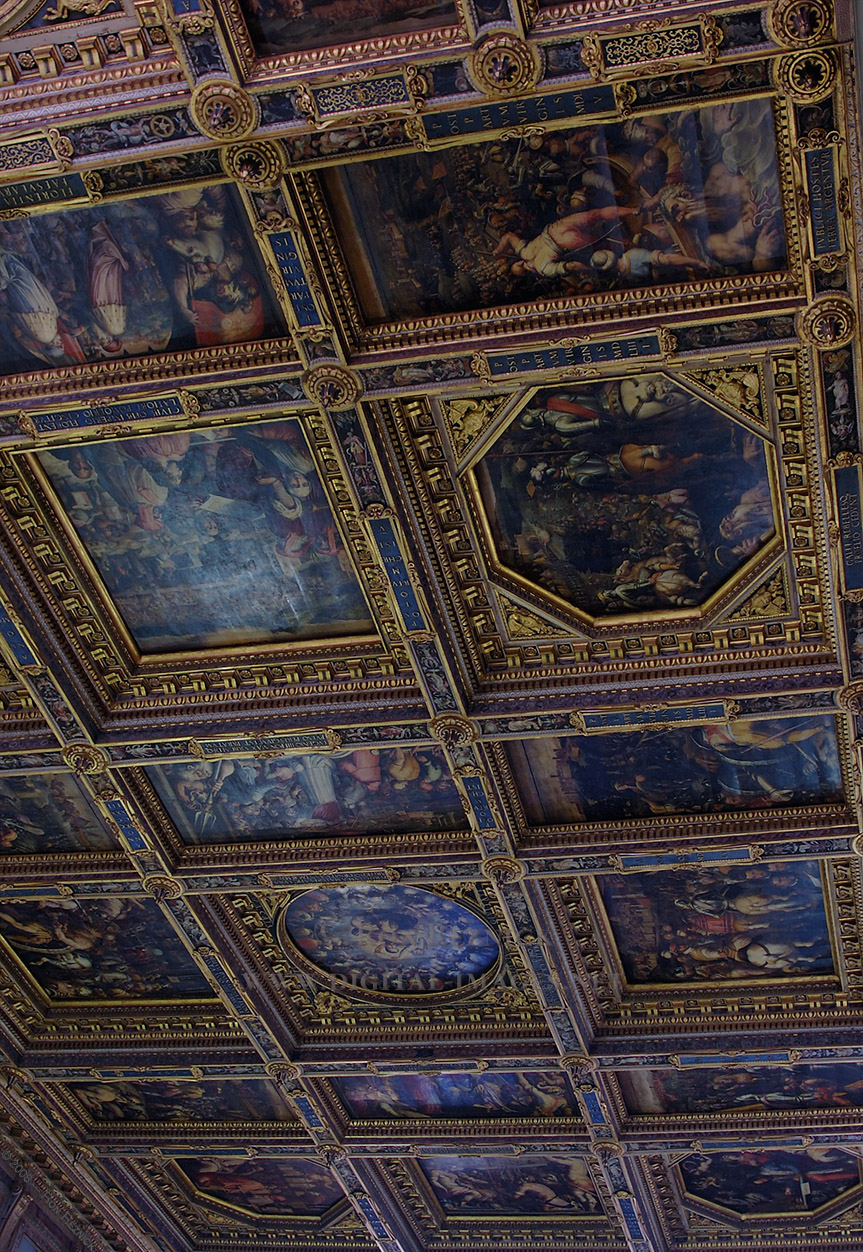
Ceiling Panel Hall of 500 There are 39 of these panels on the ceiling, To the right is an oblique of an entire
|
Ceiling Hall of 500 5392
|
|||||||||||||||||||||||||||
|
Ceiling Panel Hall of 500
|
||||||||||||||||||||||||||||
|
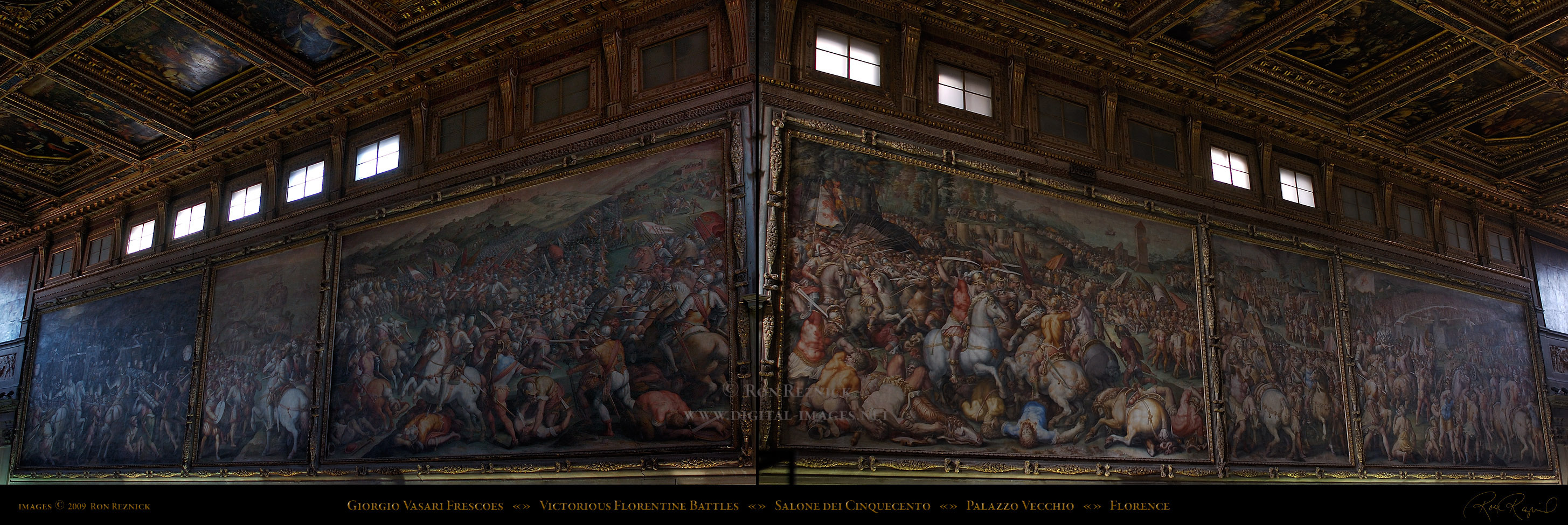
Vasari Frescoes Hall of 500 Palazzo Vecchio XXL The Salone dei Cinquecento (Hall of 500) was built to house the Grand Council, which had 500 members. It was enlarged by Giorgio Vasari so that Grand Duke Cosimo I de’ Medici could hold court there, but unfortunately this destroyed the unfinished ‘Battle of Cascina’ by Michelangelo and ‘Battle of Anghari’ by Leonardo da Vinci. The walls were eventually covered by Vasari’s own frescoes depicting battles and military victories by Florence:
This image is available as an
|
||||||||||||||||||||||||||||
|
Vasari Frescoes Hall of 500 Palazzo Vecchio 5396, 5402 XLsigned
|
||||||||||||||||||||||||||||
|
These frescoes are on opposite sides of the room. I quite carefully processed them to match I had everything all set up to post two separate images here at 900 pixels vertical, perfectly matched so you could make a two-shot panorama for a personal print if you wanted to. Then, I figured you might want to see what the pair looked like so I set up the thumbnails so they were perfectly aligned on the page so you could see. Then I figured you might want to see what the pair looked like at a size that allowed at least some examination of detail, so I created a 1600 pixel composite pair and thought I was done with this little part of the page. Then I realized that with the two separate images being about 400kb each, and the 1600 pixel image pair at 340kb (the individual images were 500 pixels high, plus the text block), it totaled out at over 1.2Mb plus thumbnails. I thought “this is nuts... I’m posting three large images and they still have to composite the images themselves.” So I started over, created the composite for you (at 900kb), and made a single thumbnail. This is a LARGE image at 2910 x 975 pixels, an XL Signed Composite Personal Use Only. Please. This is my gift to you, for personal use only, of course. If you’re interested in the XXL image (6246 x 2100) I do post fairly large images as I think most people are working on higher resolution
|
||||||||||||||||||||||||||||
|
Corner Detail Hall of Leo X Palazzo Vecchio 5404 A composite of the full-frame image (upper left) and two large detail crops
|
||||||||||||||||||||||||||||
|
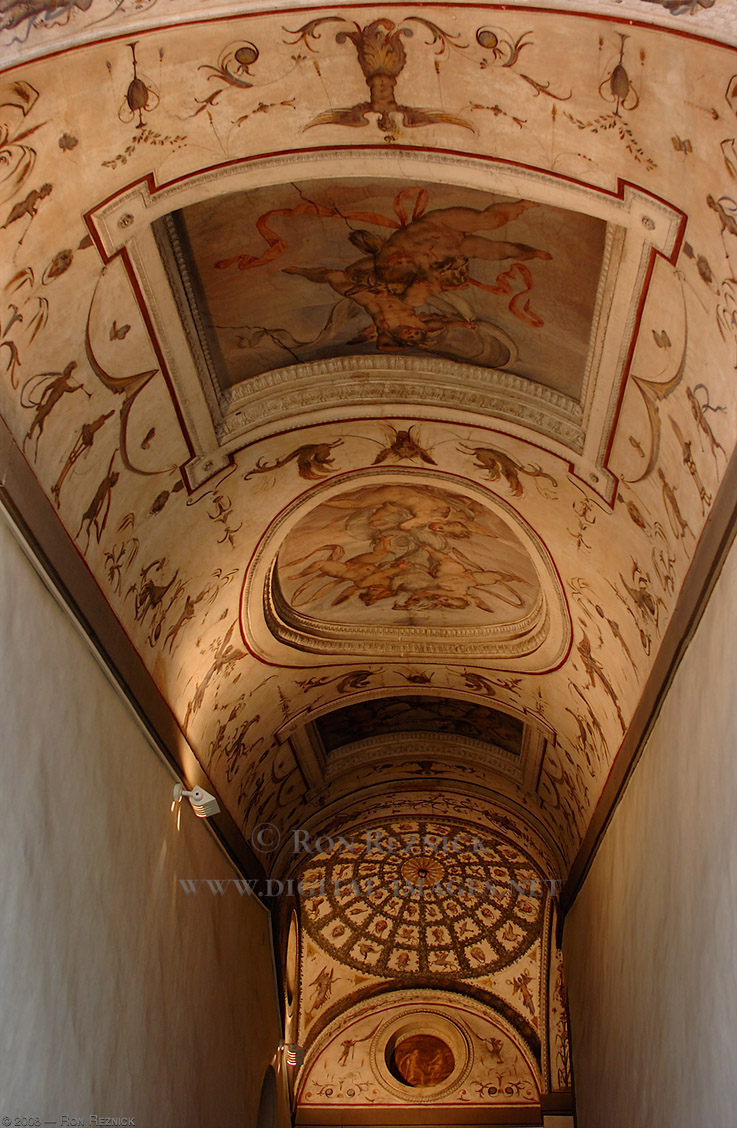
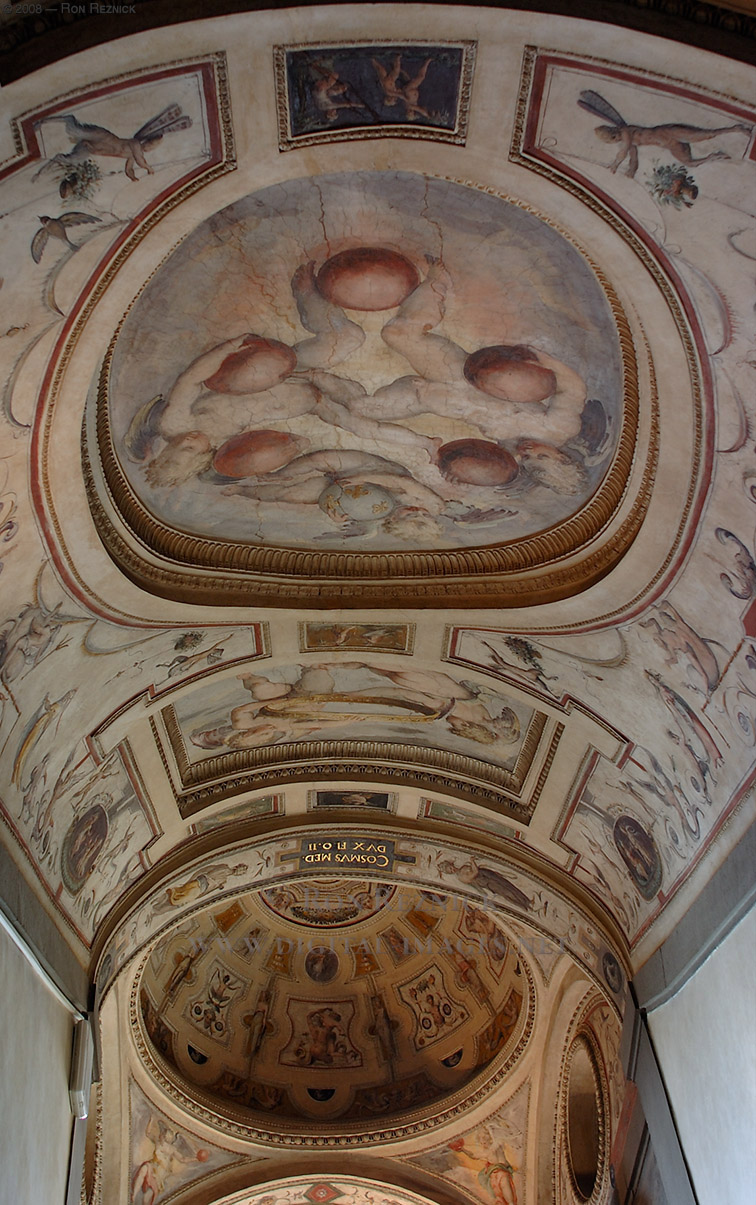
Barrel Vault Studiolo Hallway 5412
|
Studiolo Hallway Ceiling Detail 5413 Detail of a large roundel in the Studiolo Hallway. It’s an interesting story.
|
|||||||||||||||||||||||||||
|
Barrel Vault Studiolo Hallway 5417
|
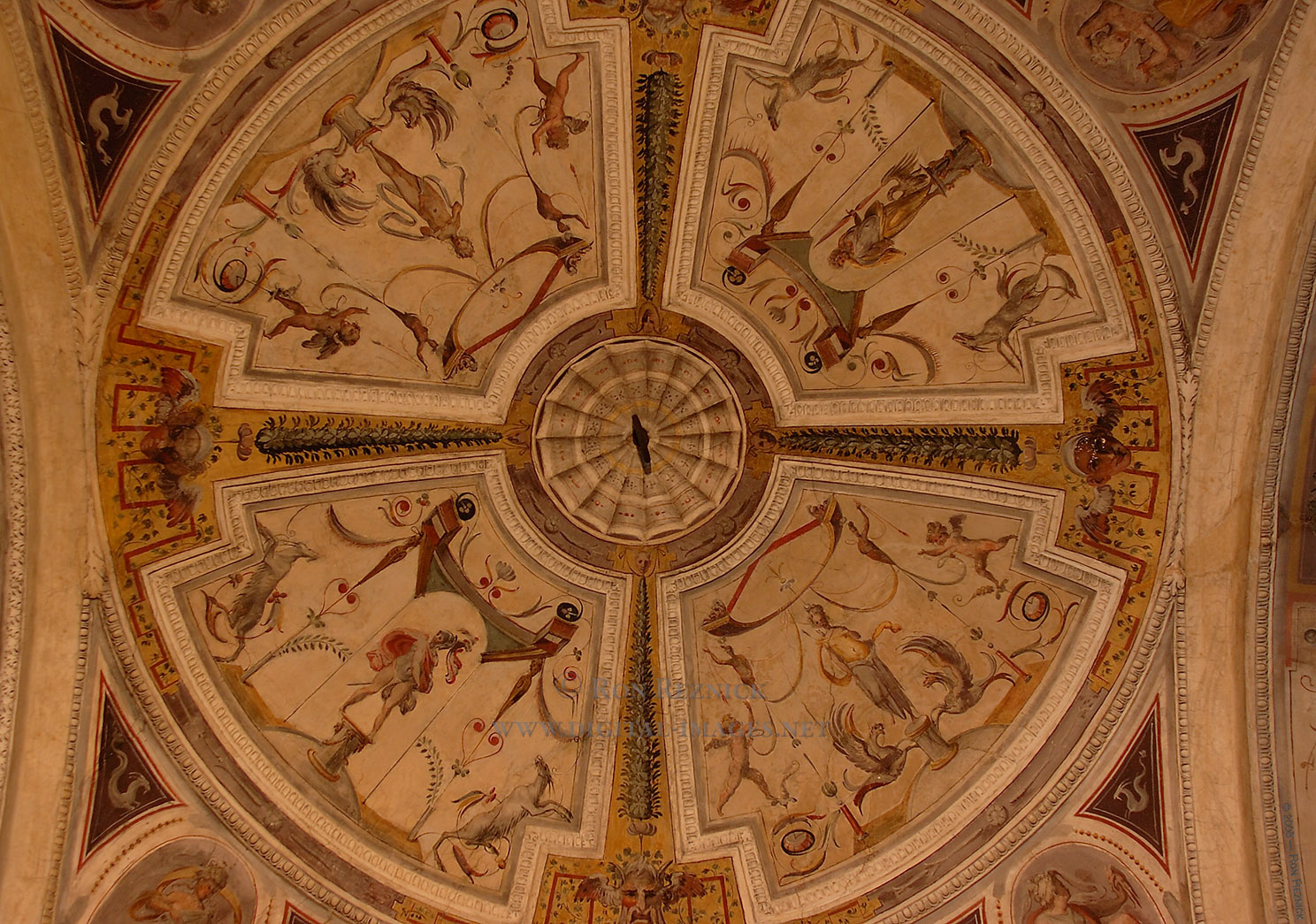
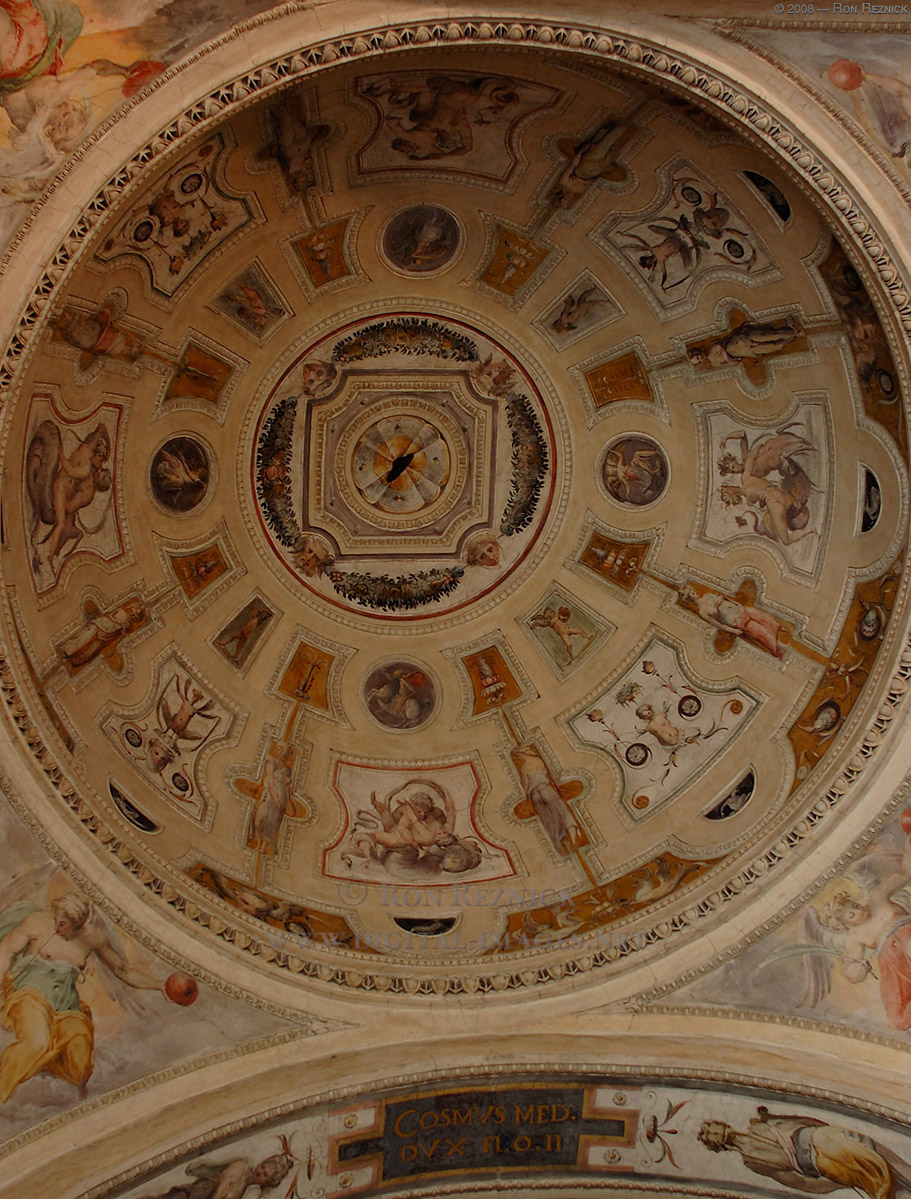
Vault Dome Studiolo Hallway 5423 The dome at the entrance to the Studiolo. The
|
|||||||||||||||||||||||||||
|
By the way, the etymology of the word grotesque is interesting. In the late 15th century, a young Roman fell through a cleft in the Aventine hill The Romans who found them originally thought them very strange, especially Apartment of the Elements This is the suite of rooms that were used by Cosimo I de’ Medici and his wife Eleanor of Toledo while they lived at Palazzo Vecchio. They are ornately decorated in grand Renaissance style. Giorgio Vasari took over the decoration of these rooms upon the death of Battista del Tasso. This was his first commission for the Medici, beginning a long and very profitable relationship. The Apartment of the Elements consists of five rooms that were the private quarters of Cosimo I.
|
||||||||||||||||||||||||||||
|
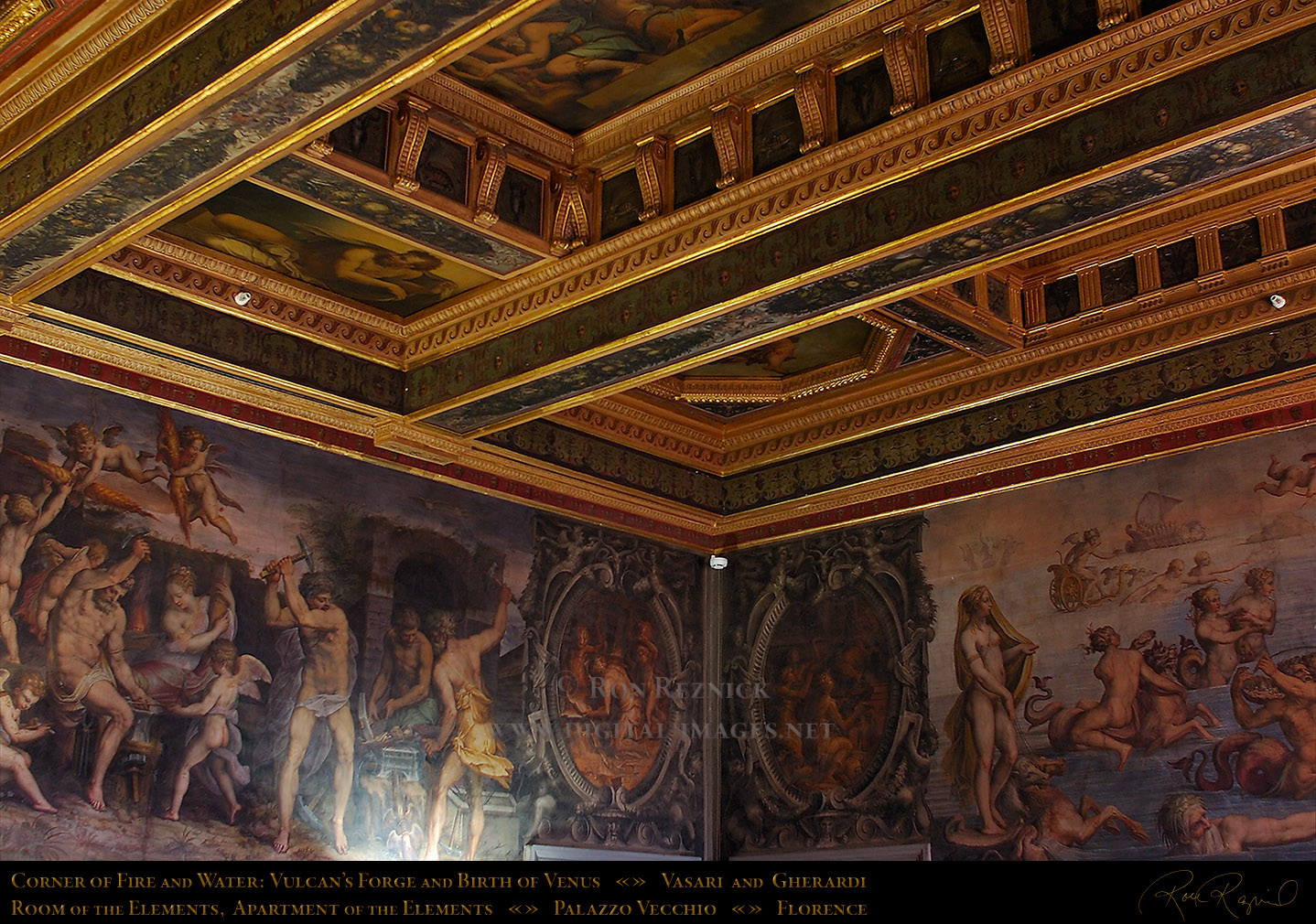
Vulcan’s Forge Birth of Venus 5425 This is the corner of Fire and Water. To the left is the Allegory of Fire, Cristofano Gherardi did the Vulcan’s Forge and the two transitional frescoes,
|
||||||||||||||||||||||||||||
|
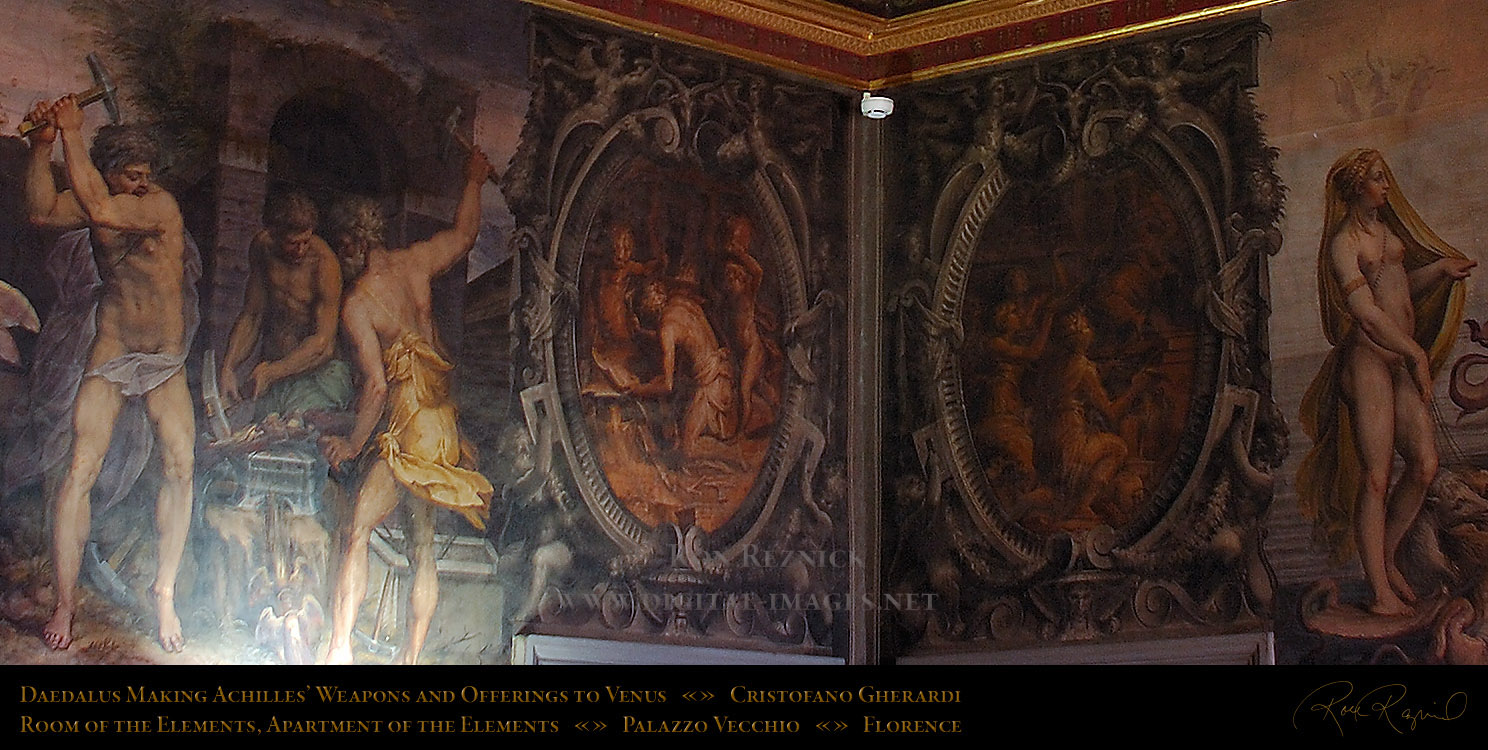
Daedalus Making Achilles’ Weapons, Offerings to Venus 5425 detail This is a 1488 x 750 detail crop from the master of image 5425 (the image just above). On the left is the transitional fresco Daedalus Making Achilles’ Weapons,
|
||||||||||||||||||||||||||||
|
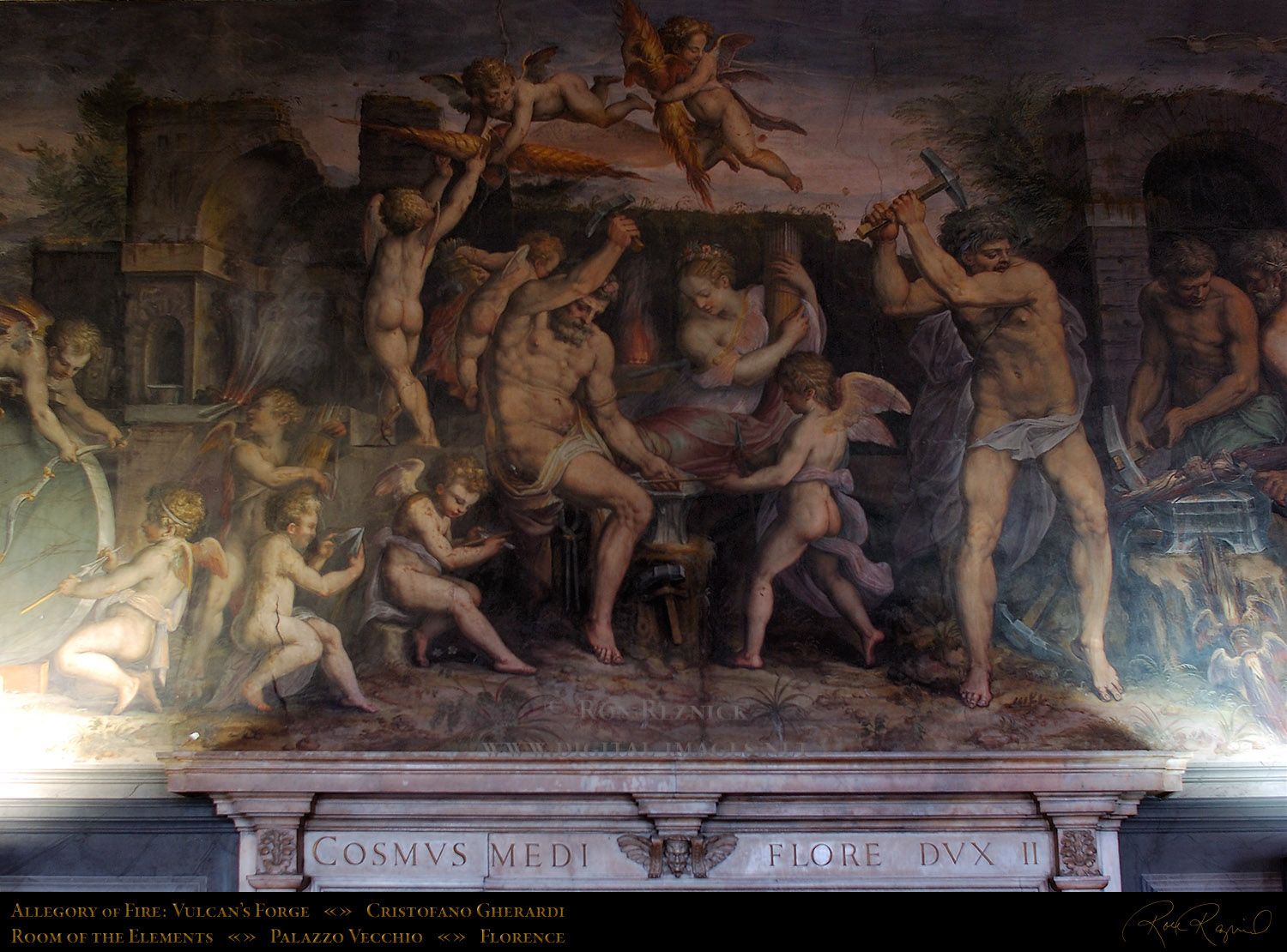
Vulcan’s Forge Cristofano Gherardi 5433 Above the marble fireplace designed by Ammanati (with its inscription to Cosimo), Because of lighting like this, I didn’t even bother trying to take shots of the sculptures in the (sigh...)
|
||||||||||||||||||||||||||||
|
Birth of Venus Vasari Gherardi 5439 Part of the wall depicting Allegories of Water, this was primarily by
|
||||||||||||||||||||||||||||
|
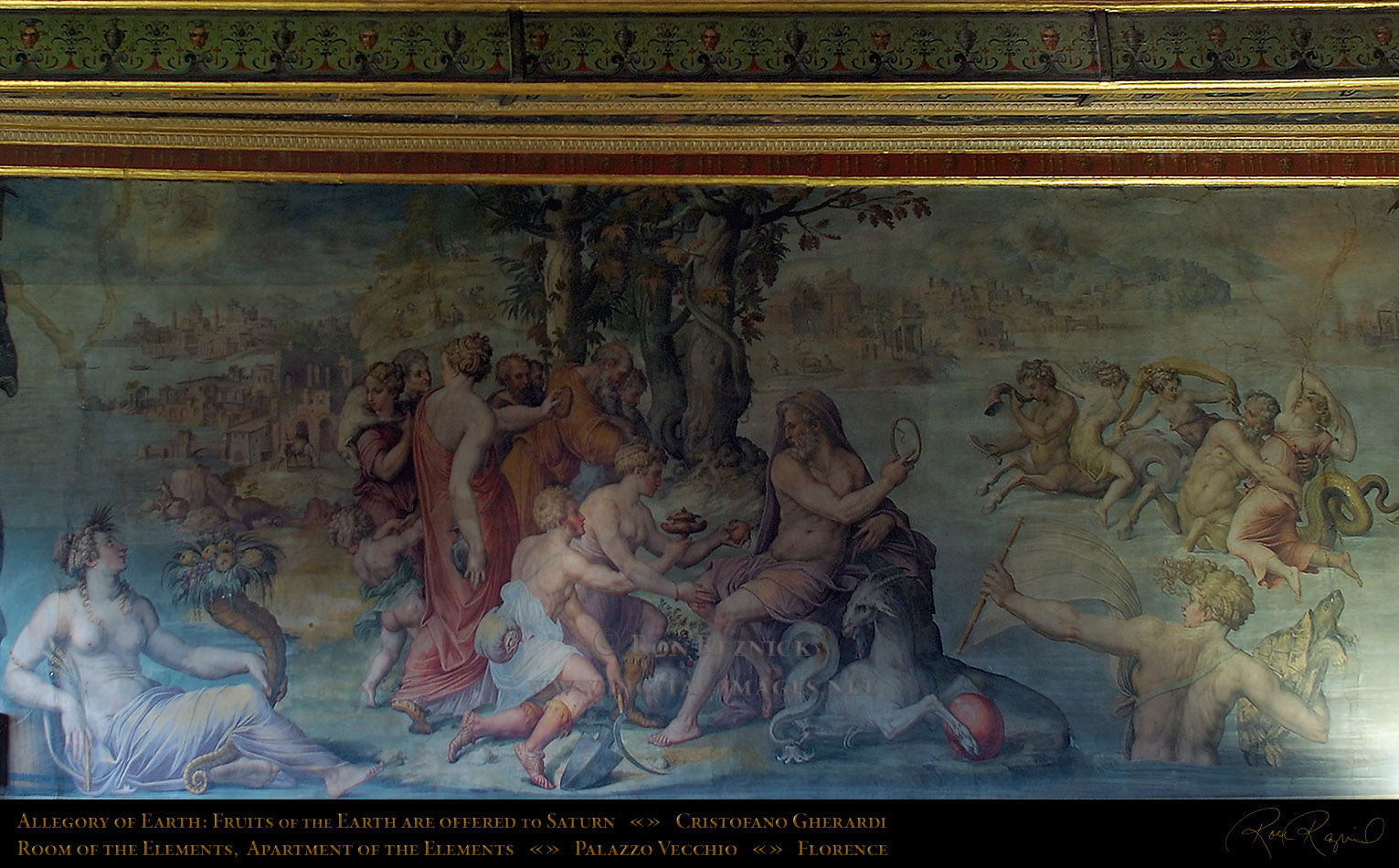
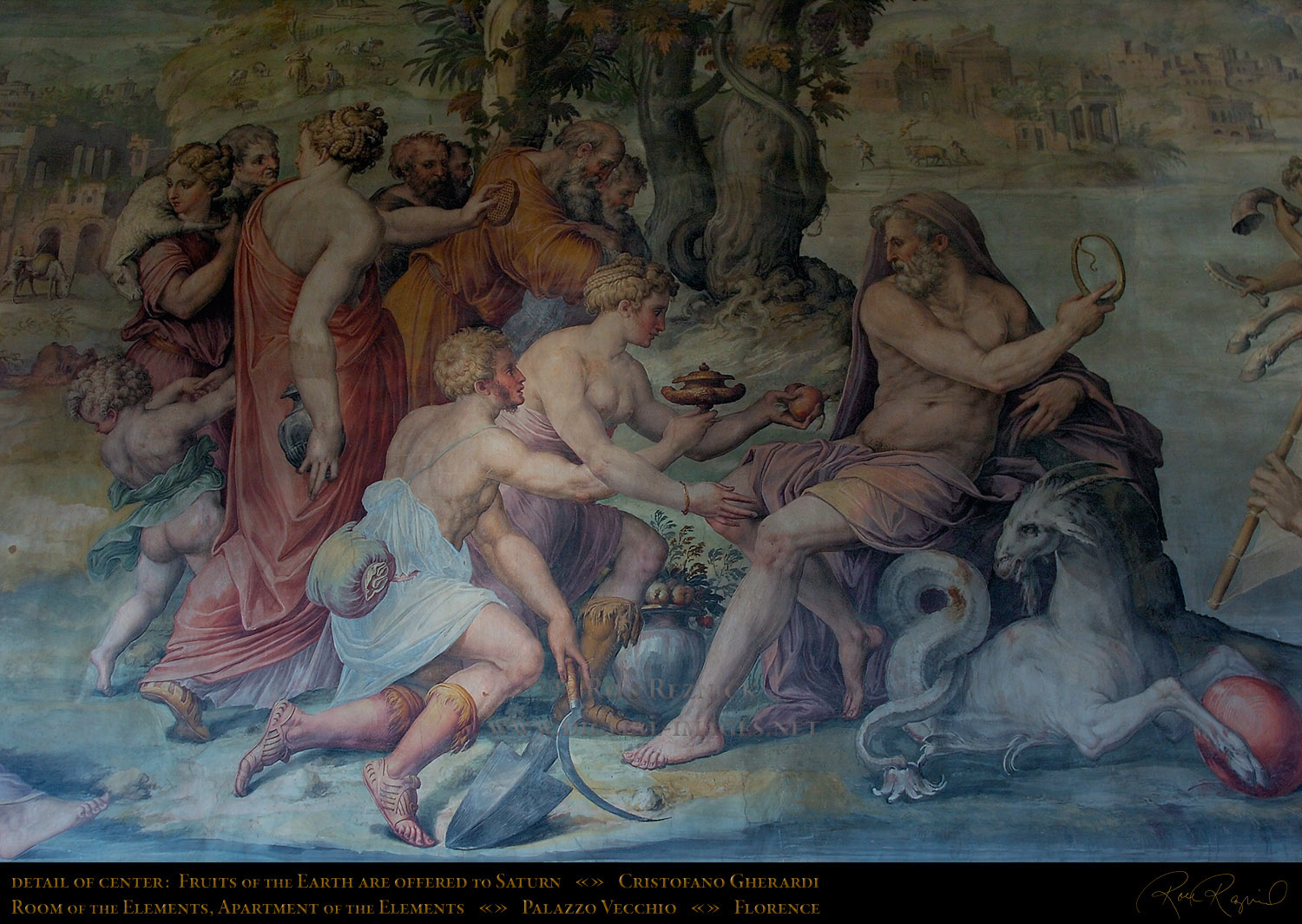
Fruits of the Earth Offered to Saturn Cristofano Gherardi 5430 This image shows the entire fresco of Fruits of the Earth Offered to Saturn.
|
||||||||||||||||||||||||||||
|
Fruits of the Earth Offered to Saturn Cristofano Gherardi 5444 This fresco, on the wall depicting Allegories of Earth, was primarily by
|
||||||||||||||||||||||||||||
|
Fruits of the Earth Offered to Saturn Cristofano Gherardi 5441c This is a detail crop of about half of an image taken of the center and right sides.
|
||||||||||||||||||||||||||||
|
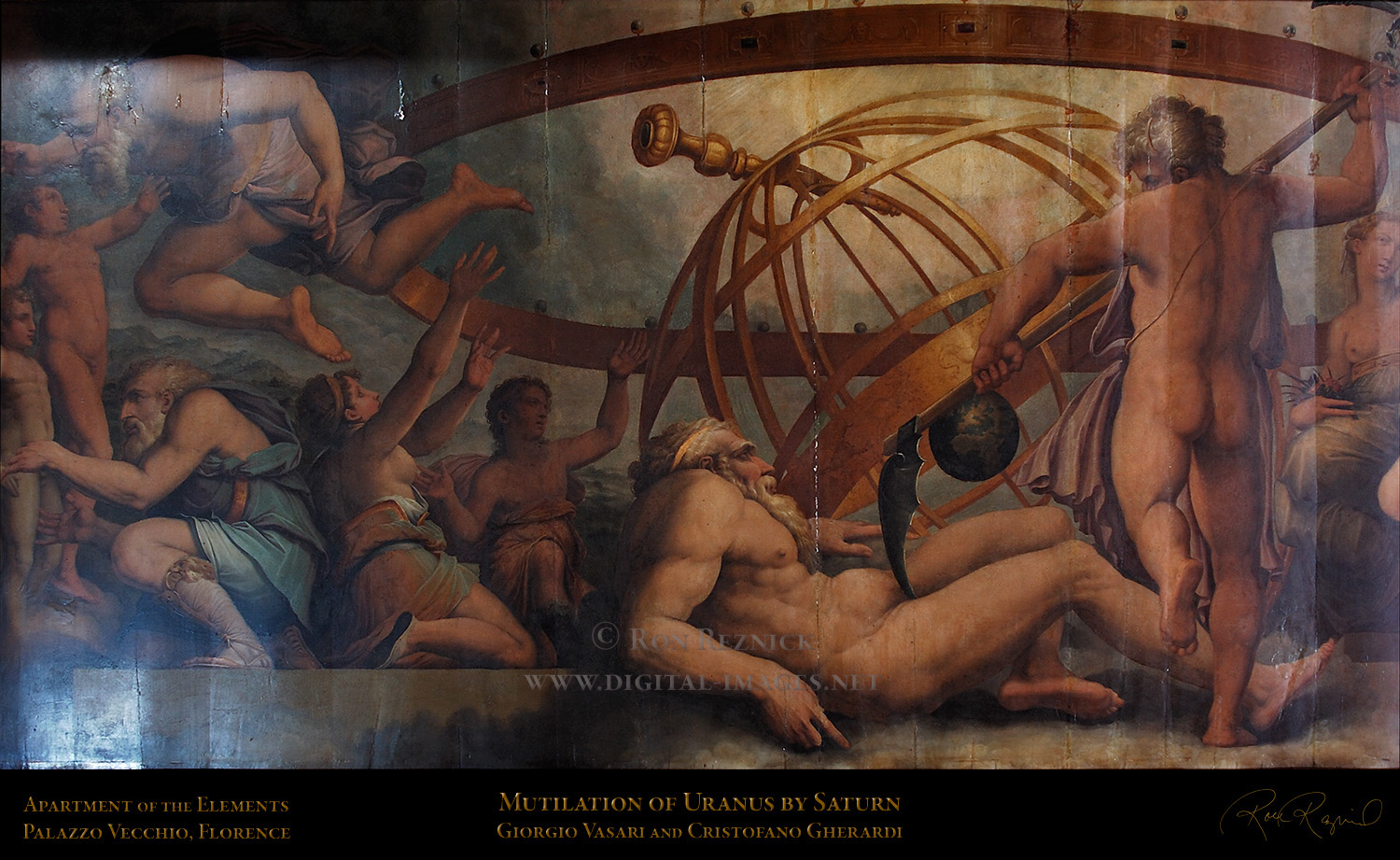
Mutilation of Uranus Vasari 5506 The centerpiece on the ceiling of the main room of the Apartment of the Elements shows Images on this page are in a number of different Galleries on the Photoshelter website.
There are 11 Galleries in the Photoshelter Florence Collection
|
||||||||||||||||||||||||||||
|
Palazzo Vecchio Cabinet 5452 Some of the inlaid and superbly figured
|
Palazzo Vecchio Cabinet 5477
|
|||||||||||||||||||||||||||
|
Palazzo Vecchio Cabinet 5479
|
Cabinet Apt of the Elements This cabinet is inlaid with mother of pearl, The woodwork is masterful. In case you were wondering why I shot
|
|||||||||||||||||||||||||||
|
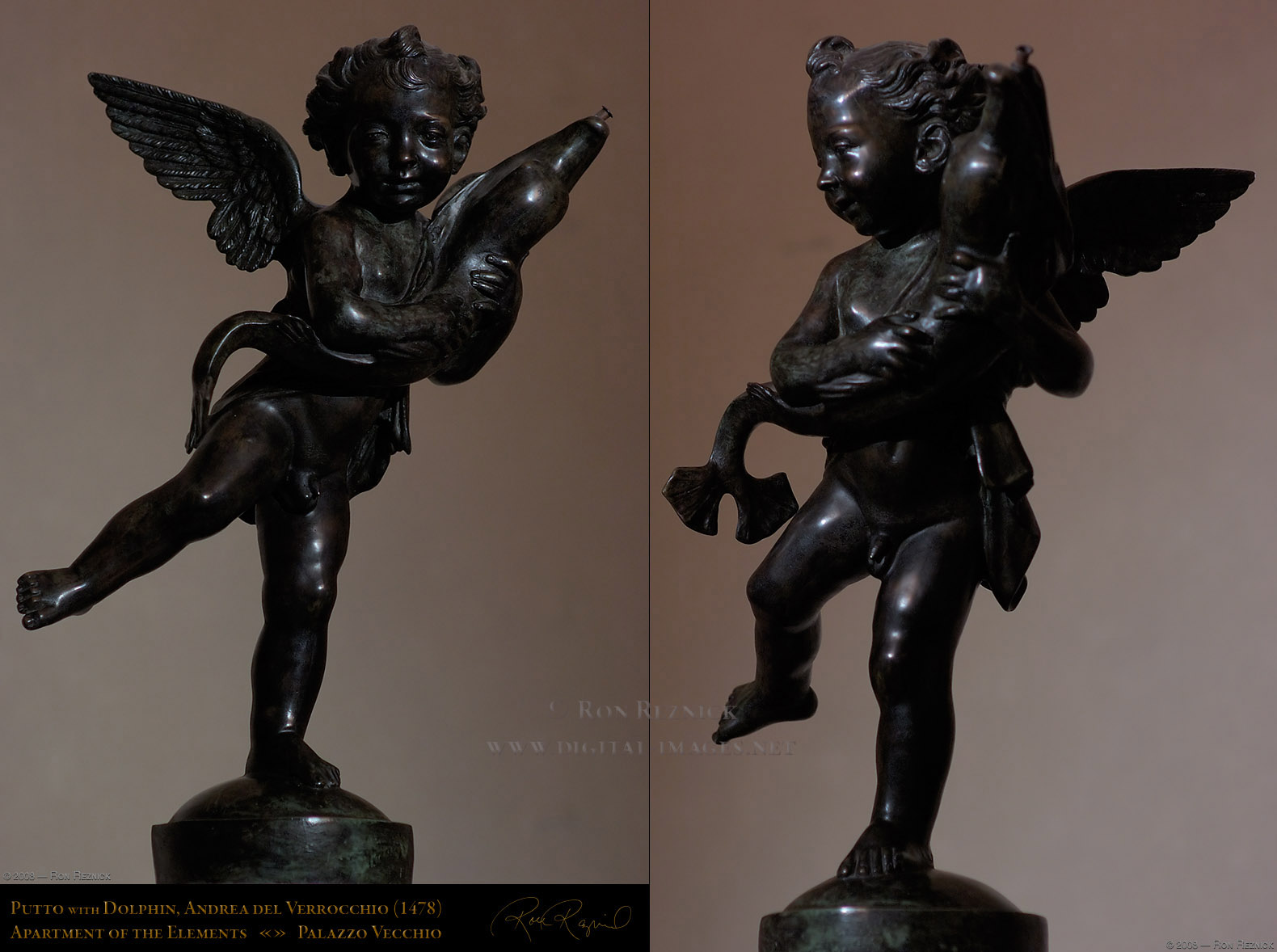
Putto with Dolphin del Verocchio 5467 This is the original of Putto with Dolphin by Andrea del Verocchio, a sculpture in the round
|
||||||||||||||||||||||||||||
|
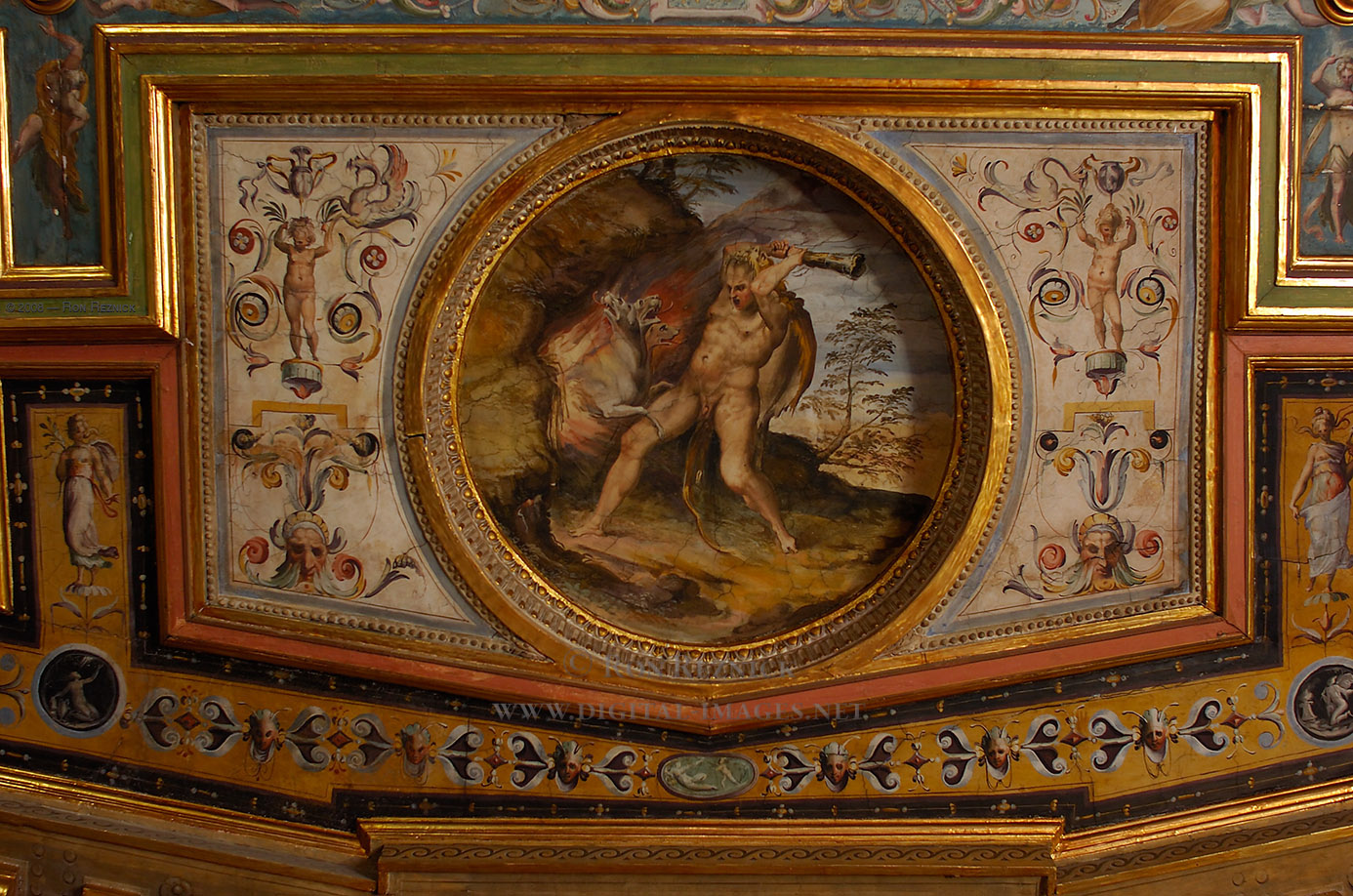
Ceiling Hercules Room Painted by Marco Marchetti da Faenza, this is |
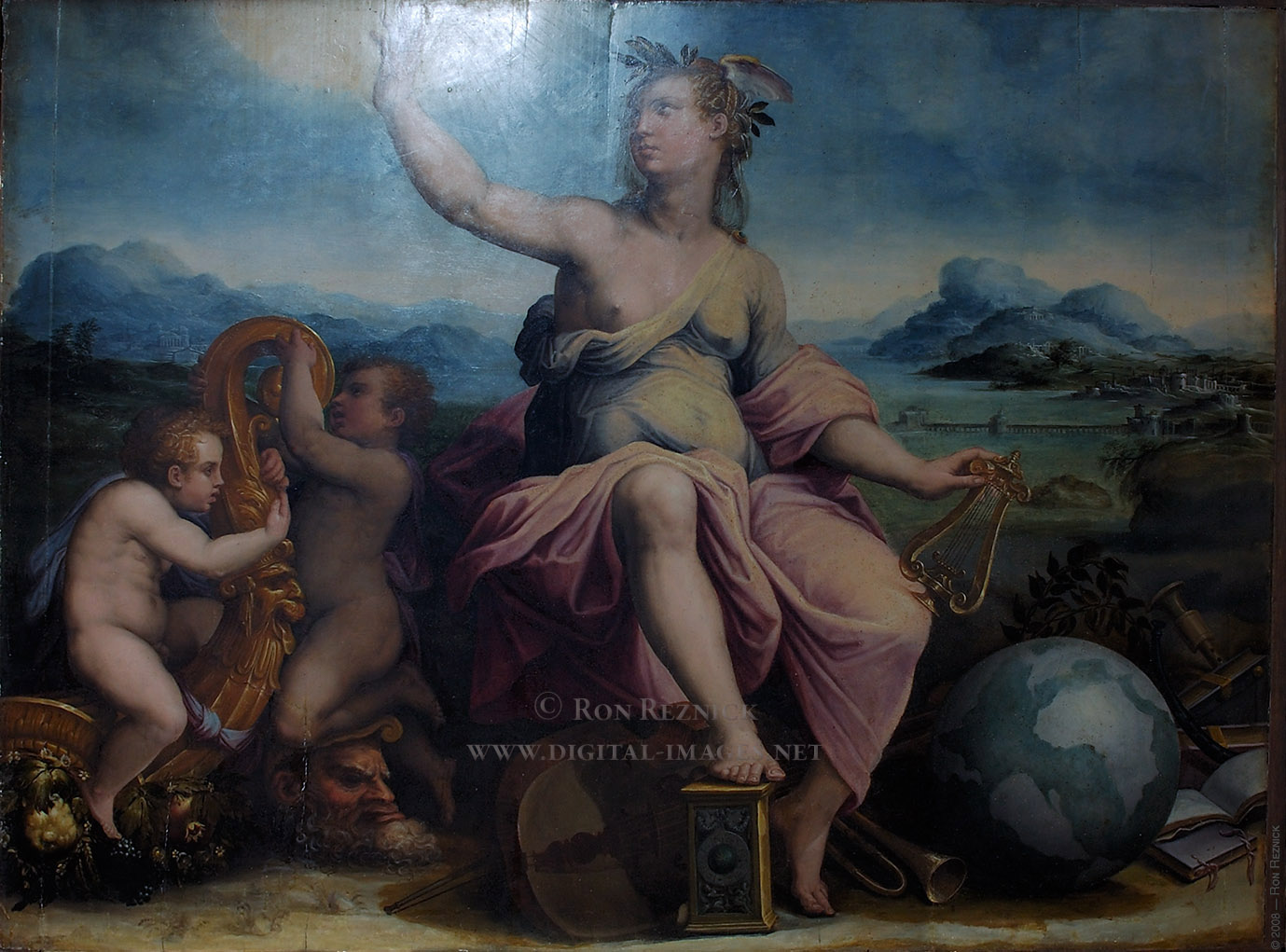
Vasari Allegory of Night The light in the room often caused difficult |
|||||||||||||||||||||||||||
|
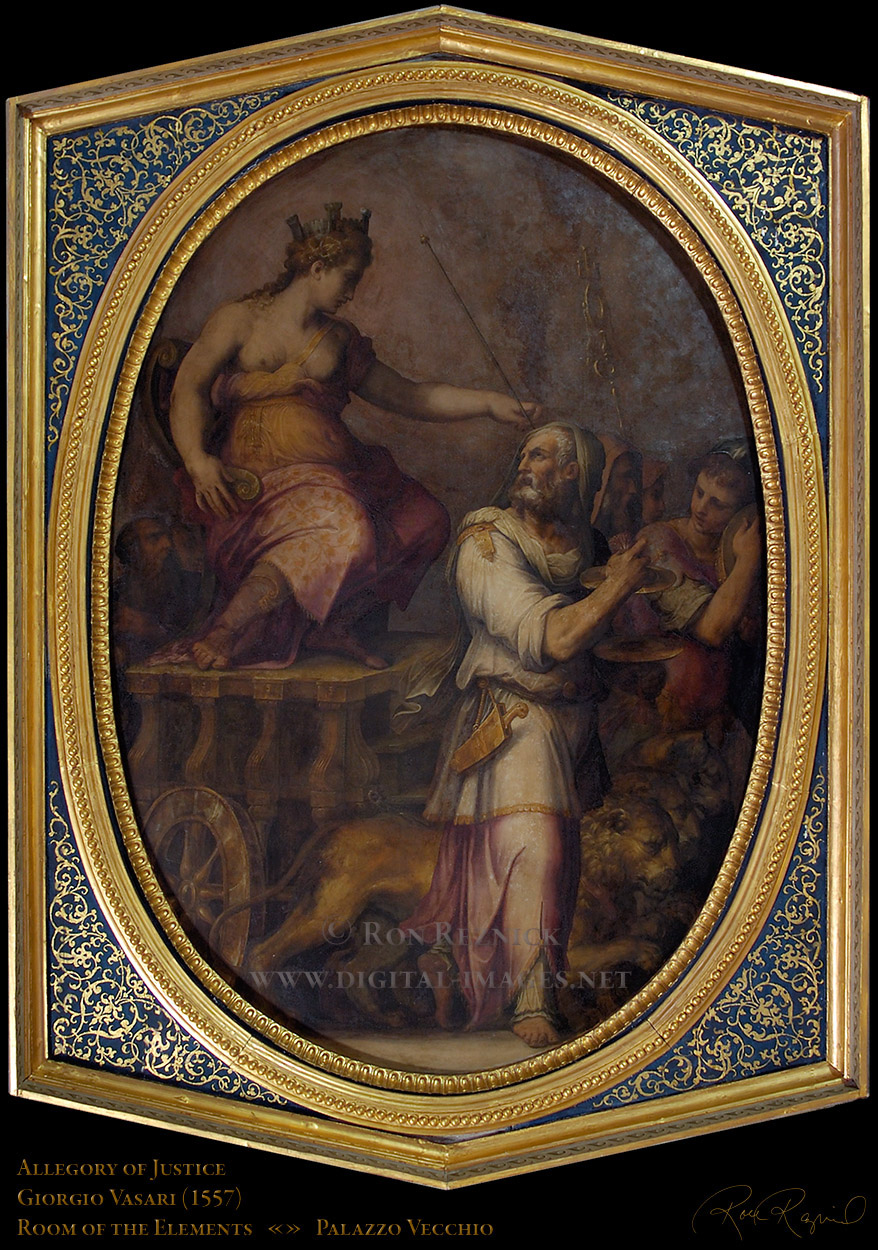
Vasari Allegory of Justice
|
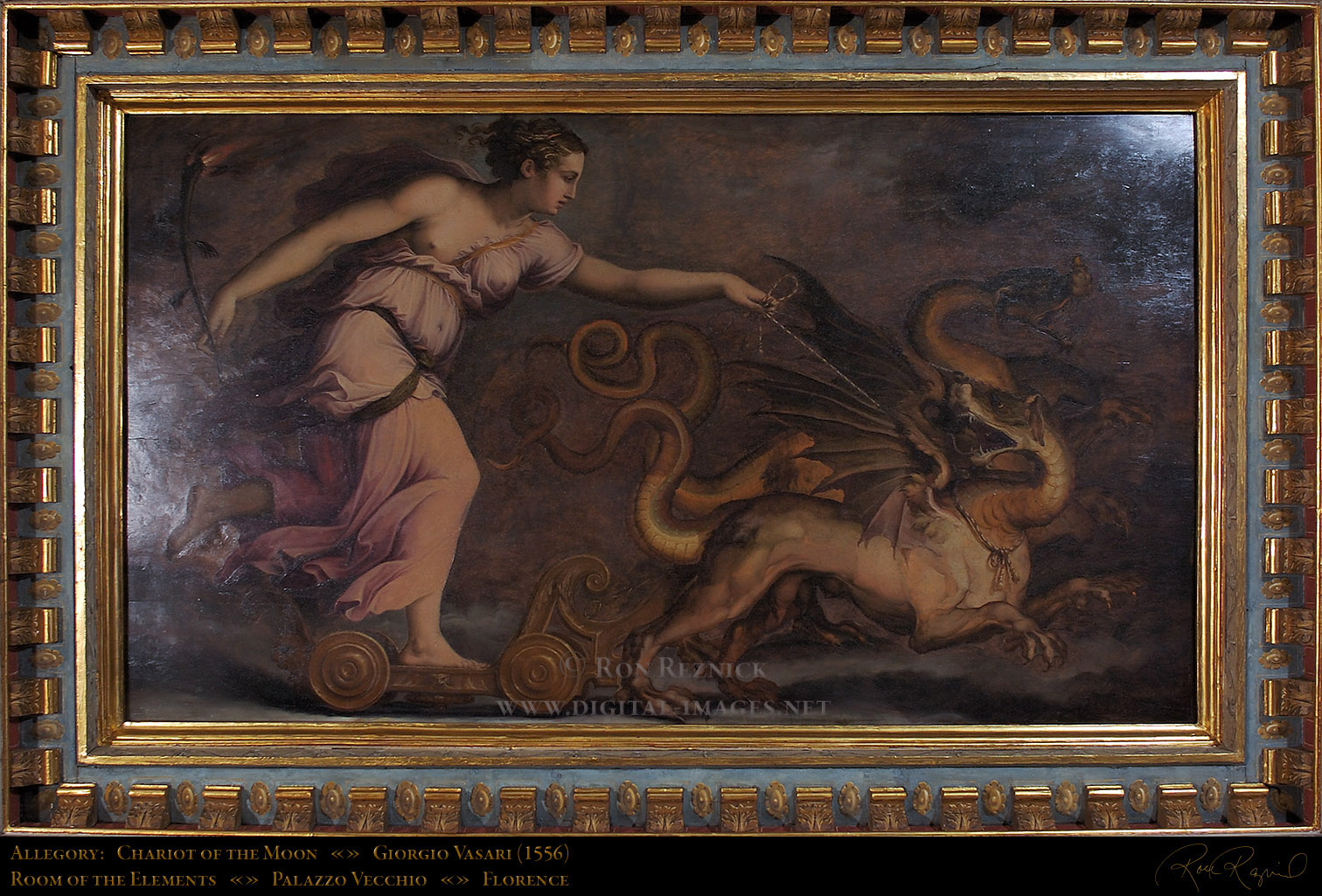
to allude to the light of the moon. It was the
Vasari Chariot of the Moon
|
|||||||||||||||||||||||||||
|
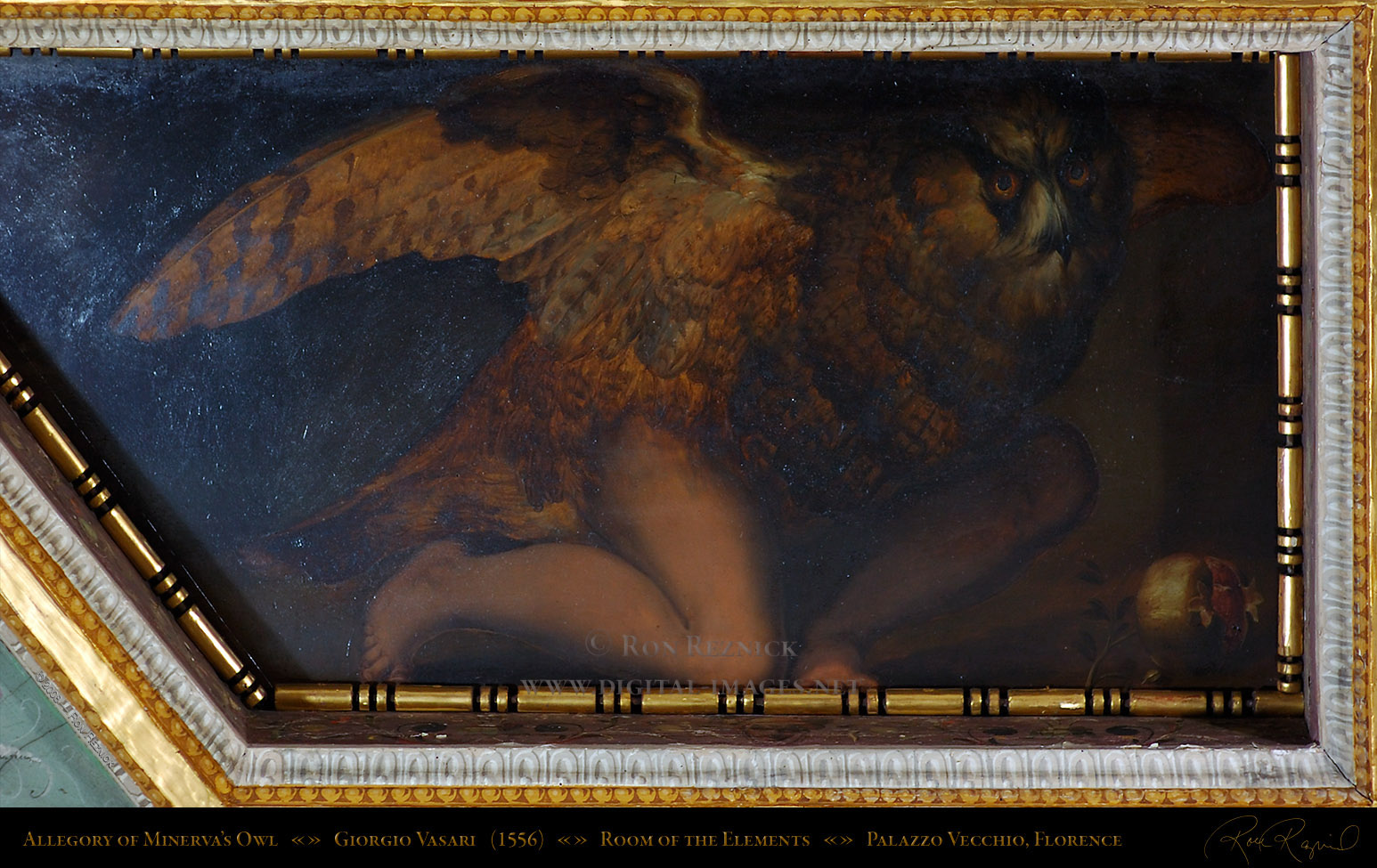
Allegory Minerva’s Owl 5497
|
||||||||||||||||||||||||||||
|
Sabine Women Palazzo Vecchio 5537 At one time this room was used by ladies in waiting at the court of Eleanora di Toledo. The room is Painted by Giovanni Stradano (Flemish).
|
||||||||||||||||||||||||||||
|
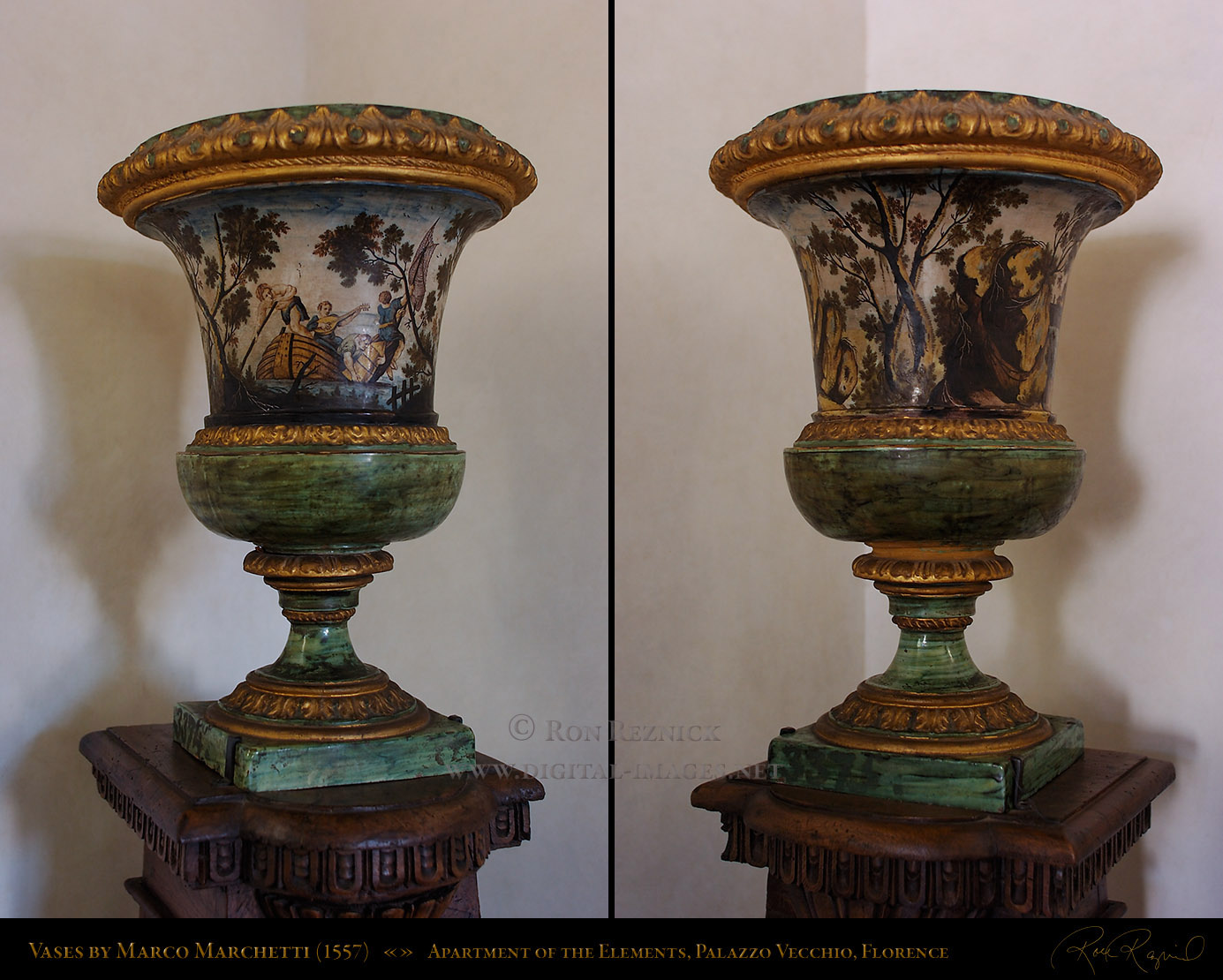
Vases Marchetti Apartment of the Elements 5488, 5491 These vases are mounted in facing corners of the room with a terrace overlooking Florence. Marco Marchetti created many of the grotesques in the Apartment of the Elements
|
||||||||||||||||||||||||||||
|
Madonna and Child with Infant St. John the Baptist A pupil of Fra Filippo Lippi, del Sellaio was friends with (and influenced by) Sandro Botticelli. This genre was popular with Raphael a few years later, and with Lanfranco in the 1630s. There are versions by Bugiardini (c. 1520), Bronzino (c. 1540s), Francia (c. 1500), da san Fraiano (c. 1560s) , Veronese (1560s), da Verona (early 16th c.), Ubertini (1530s), Beccafumi’s (1542), etc. The earliest may be Pesselino’s from the early 15th century. Jacopo del Sellaio did several different versions over the years. — The small plaque on the wall called it Natività and attributed it to “Master of the Tondo Miller”. — It’s obviously not a Nativity scene, and the presence of the infant St. John the Baptist (he is identifiable by the cross-shaped staff) puts it into the genre I researched. During the research, I came across several dissertations within which Nicholas Pons identified the “Master of the Miller Tondo” (the name Everett Fahy grouped all of his work under before the artist was identified) as Archangelo di Jacopo del Sallaio. An artist who has not yet been identified is often associated with a significant work by calling the artist: “Master of the ...”, as in “The Master of the Bardi St. Francis”. You can see the sort of research involved in identifying the artwork.
Del Sellaio UFO 5456c An interesting aspect of this painting is that it is one of several depicting a UFO. The VLG version of the Del Sellaio Madonna and Child is available here: Madonna and Child Del Sellaio Palazzo Vecchio 5456 VLG.jpg
|
||||||||||||||||||||||||||||
|
Pieta Palazzo Vecchio 5541 This painting proved impossible for me to identify. I’m including it anyway because of the I just wish I could have found out who did it.
|
||||||||||||||||||||||||||||
|
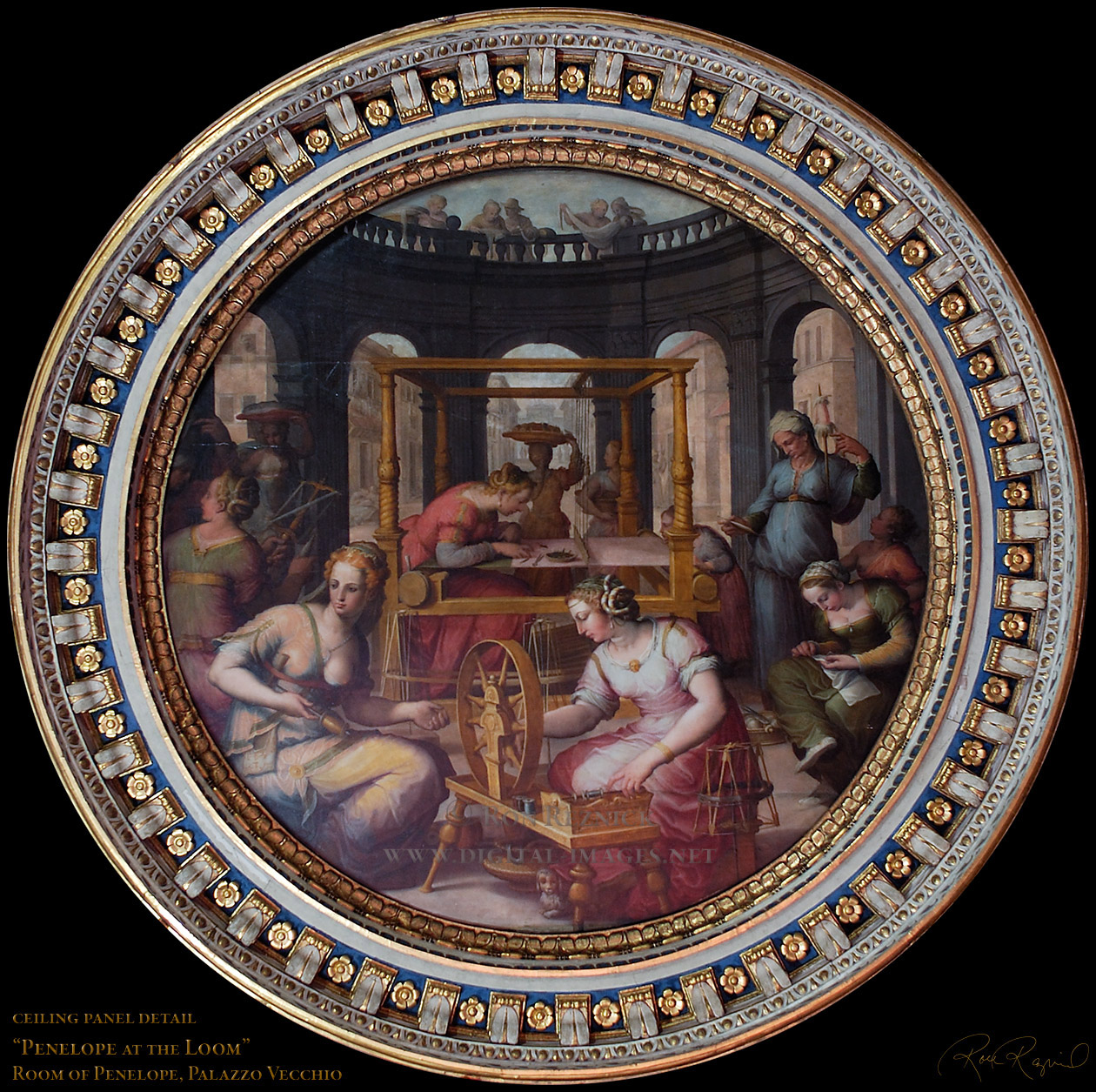
Penelope at the Loom Palazzo Vecchio 5544 This image is of the primary panel in the Room of Penelope. Penelope was a major
|
||||||||||||||||||||||||||||
|
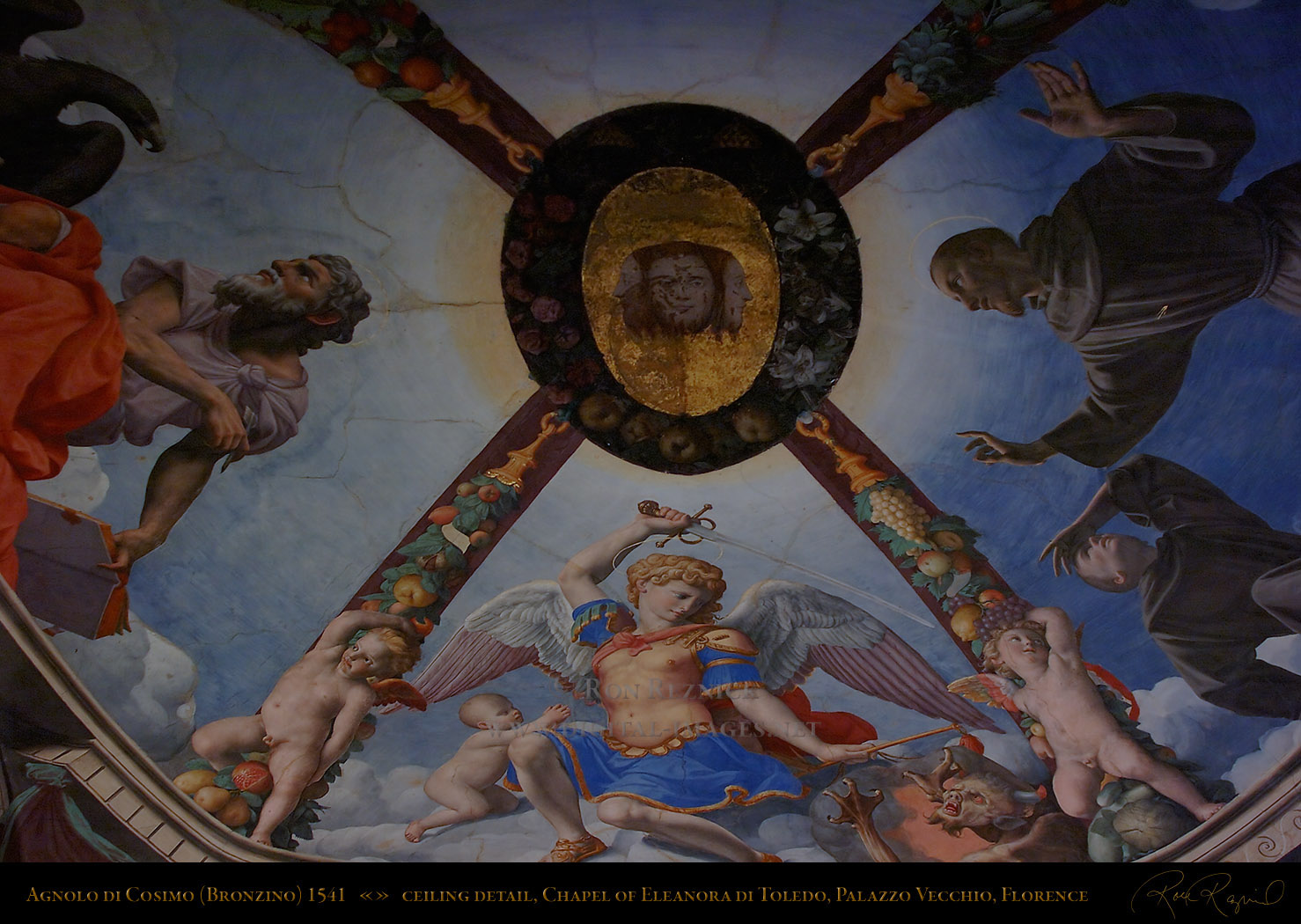
Bronzino Chapel of Eleanor Palazzo Vecchio 5530 Directly off of the Sala Verde is an entrance to this Chapel. Agnolo di Cosimo (Bronzino), This is directly above the Pieta shown next, which was also painted by Bronzino.
|
||||||||||||||||||||||||||||
|
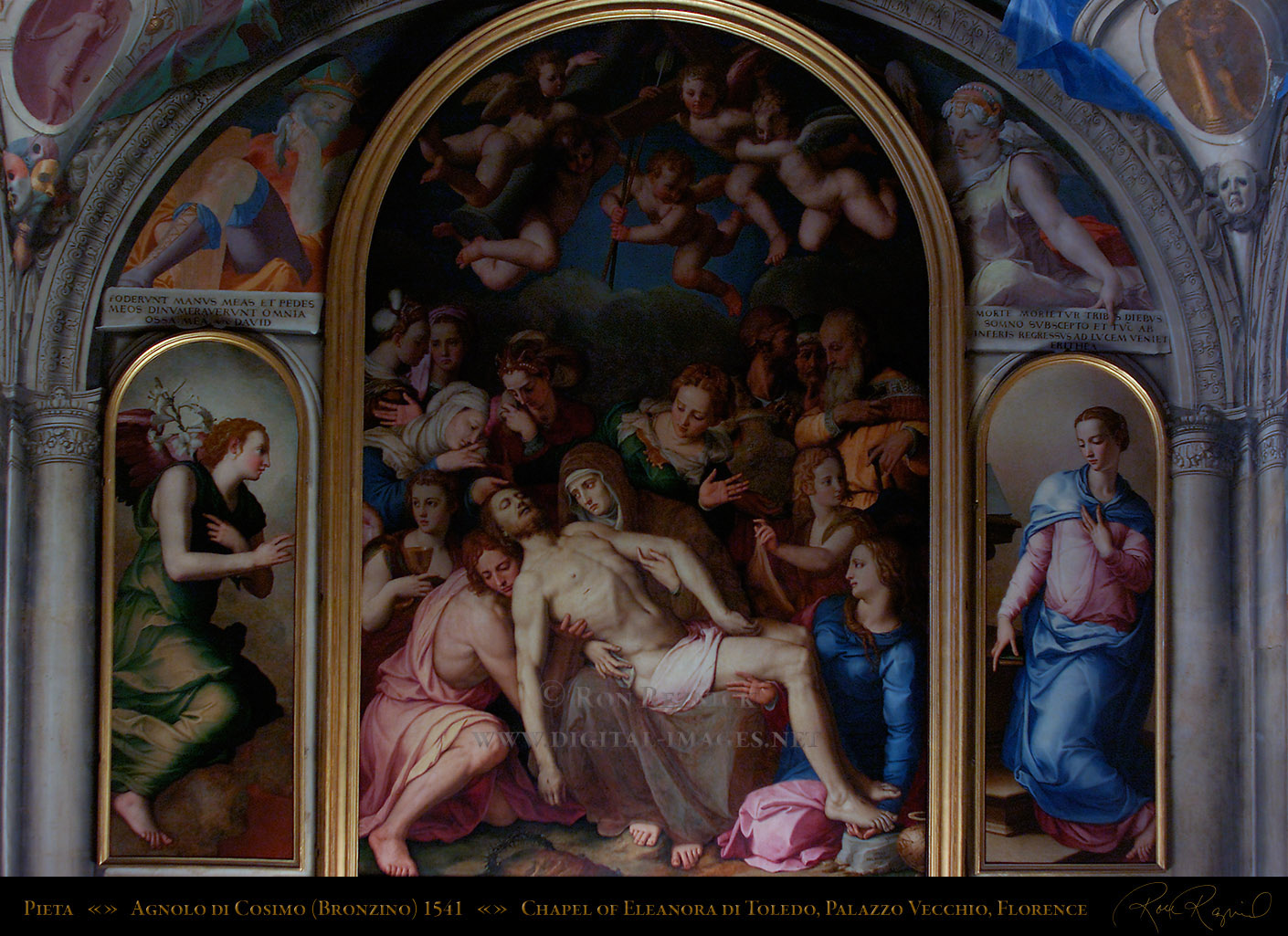
Pieta Bronzino Chapel of Eleanor Palazzo Vecchio 5526 This magnificent Pieta scene is painted over the altar,
|
||||||||||||||||||||||||||||
|
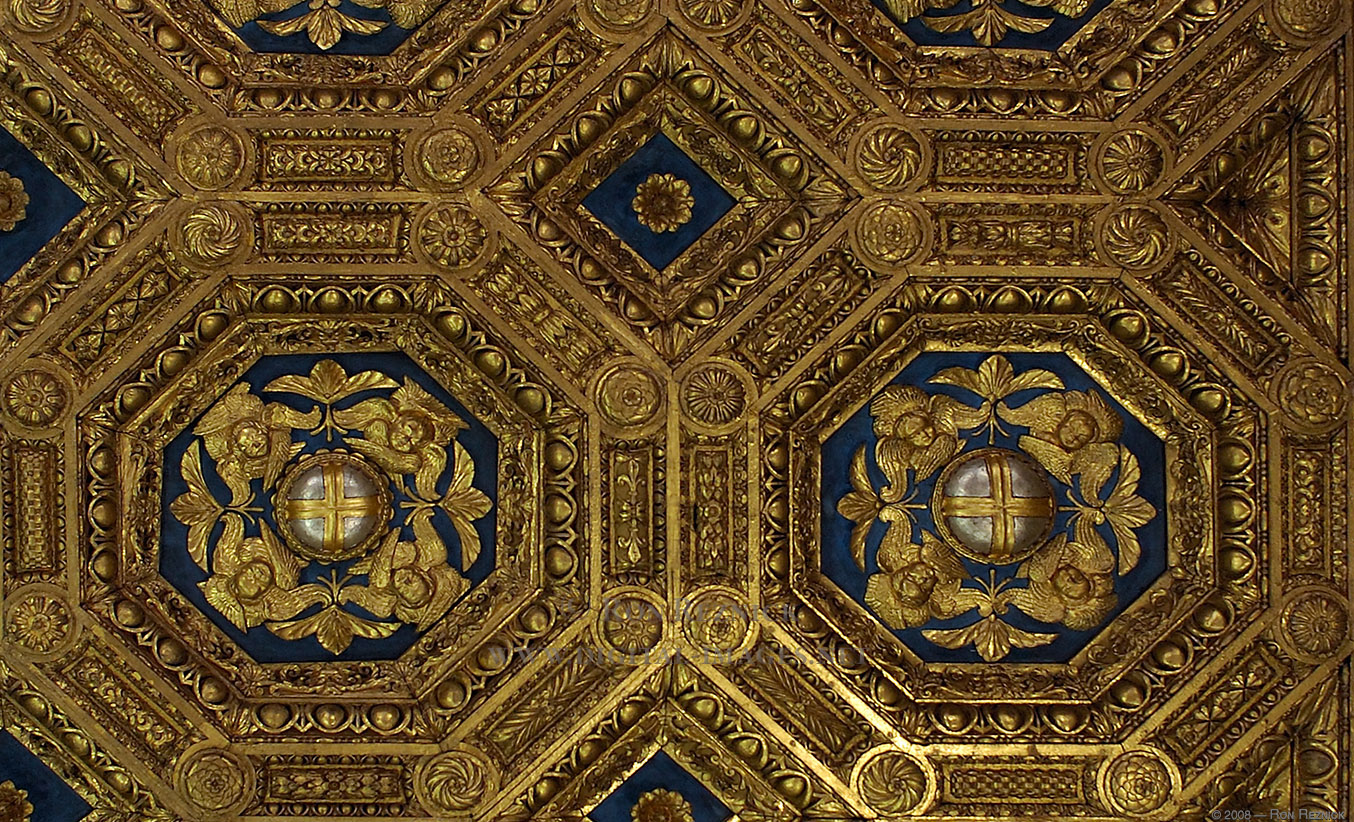
Coffered Ceiling Sala della Udienza Palazzo Vecchio 5562 This carved, coffered ceiling is laminated This is a radically detailed file of 700kb
|
||||||||||||||||||||||||||||
|
Coffered Ceiling Sala della Udienza A section of the ceiling taken while I was lying To the right, the ceiling in the Hall of Lilies is
|
Ceiling Hall of Lilies Palazzo Vecchio 5576
|
|||||||||||||||||||||||||||
|
Fresco Chapel Signoria Palazzo Vecchio 5565 This fresco is outside the Chapel of the Signoria, the other small chapel on the 2nd floor, dedicated to St. Bernard. This chapel was for the use of the ruling body of Florence (the Signoria). Its nine priori would get their spiritual guidance here. This was also the chapel where Girolamo Savonarola said his last prayers before being burned at the stake (an apt ending for the man who carried out the Bonfire of the Vanities). Directly above the door is Christ’s monogram IHS, an inscription, and a plaque in honor of Christ.
|
||||||||||||||||||||||||||||
|
Frescoes Hall of Lilies Ghirlandaio 5574 The Apotheosis of St Zenobius with frescoes of famous Romans over the doors Note the perspective created in the vaulted ceiling painted above St. Zenobius. Images on this page are in a number of different Galleries on the Photoshelter website.
There are 11 Galleries in the Photoshelter Florence Collection
|
||||||||||||||||||||||||||||
|
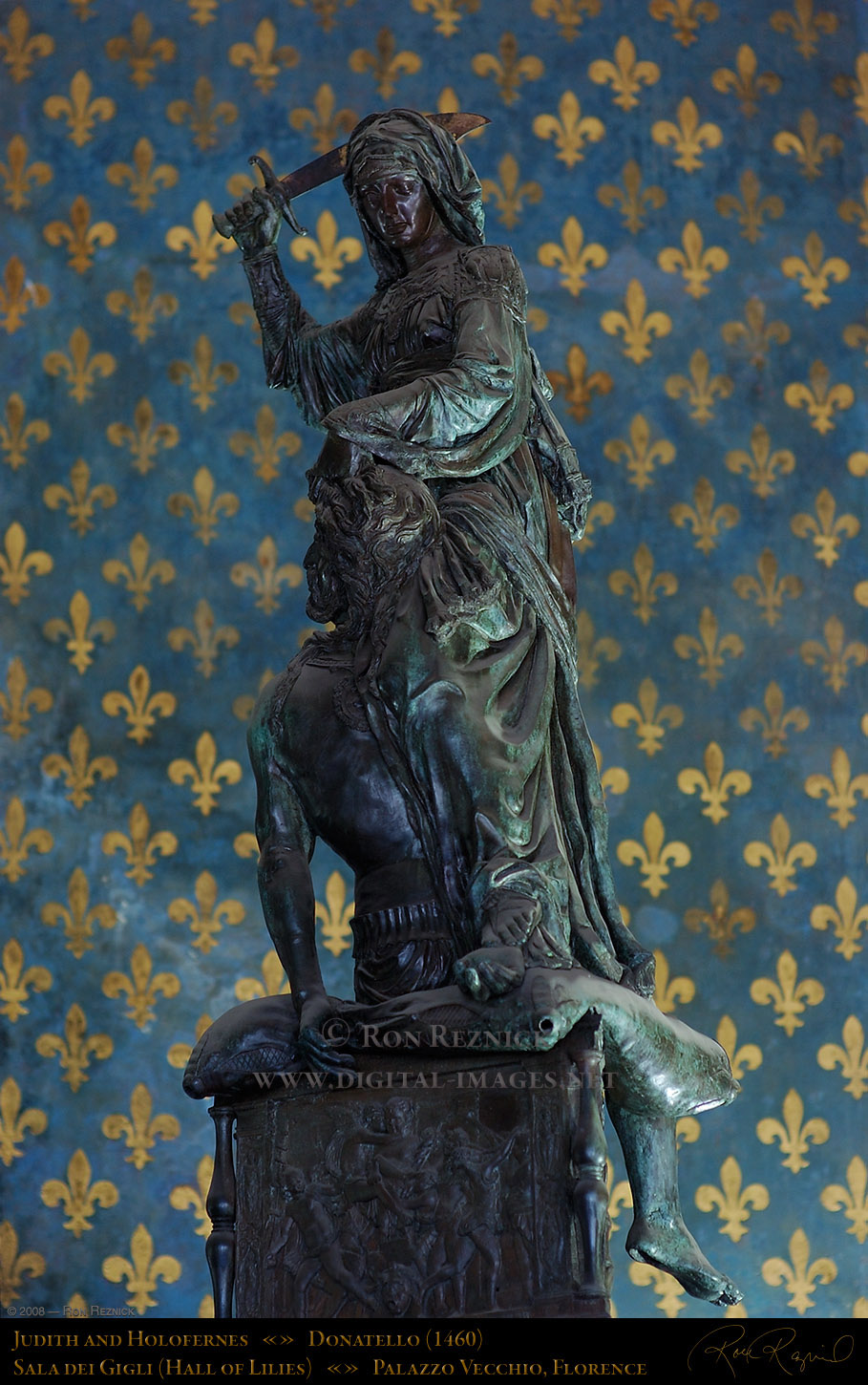
Judith Holofernes Donatello Palazzo Vecchio 5571 This bronze was created by Donatello at the end of his career (1460). It is one of the first
|
||||||||||||||||||||||||||||
|
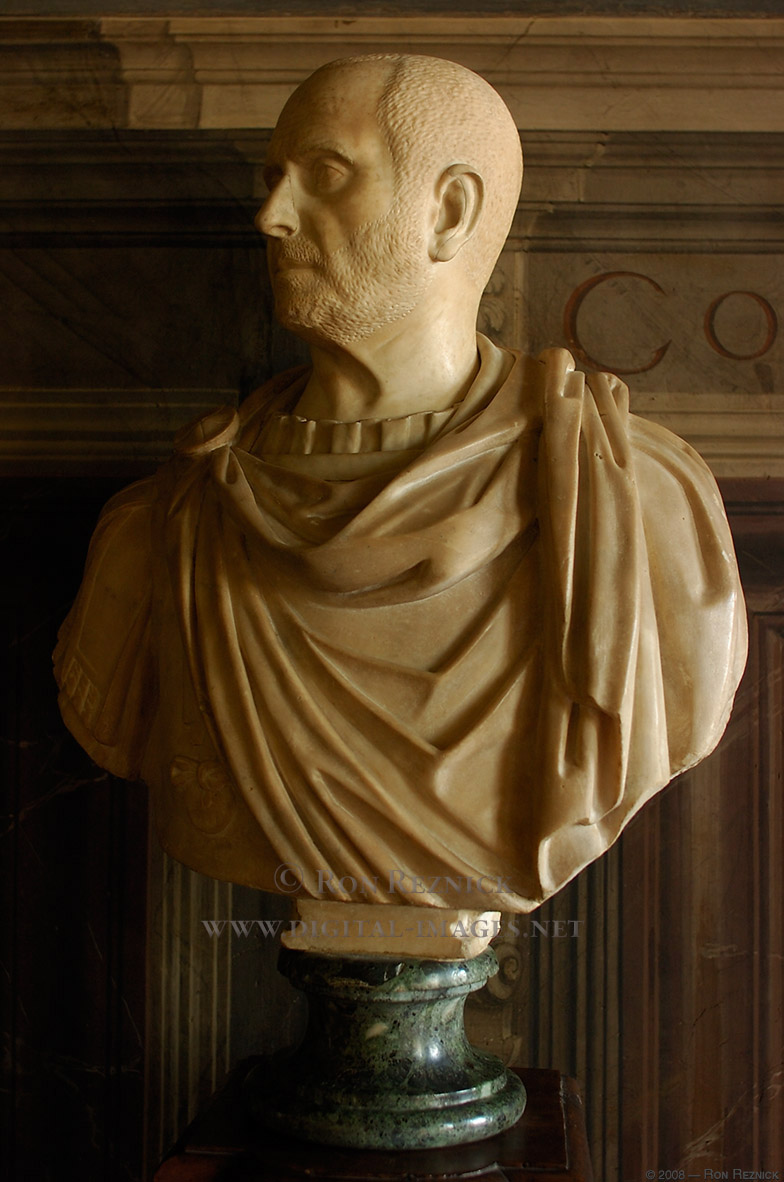
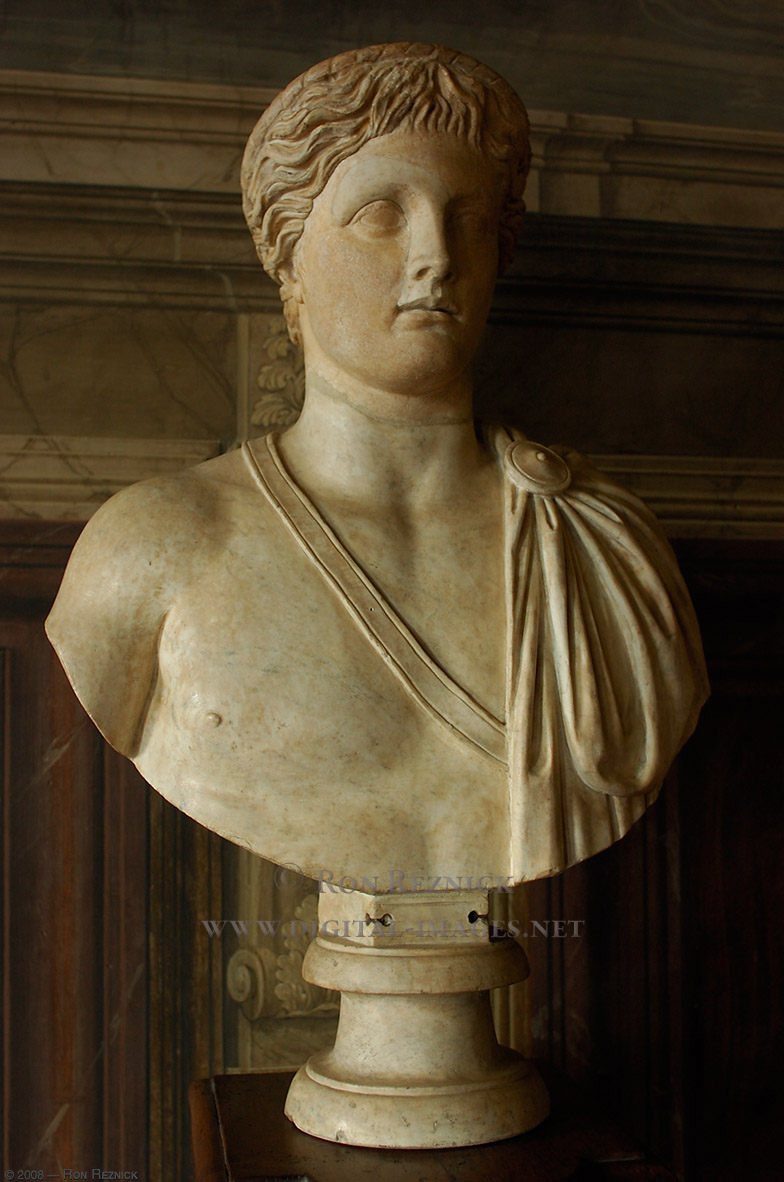
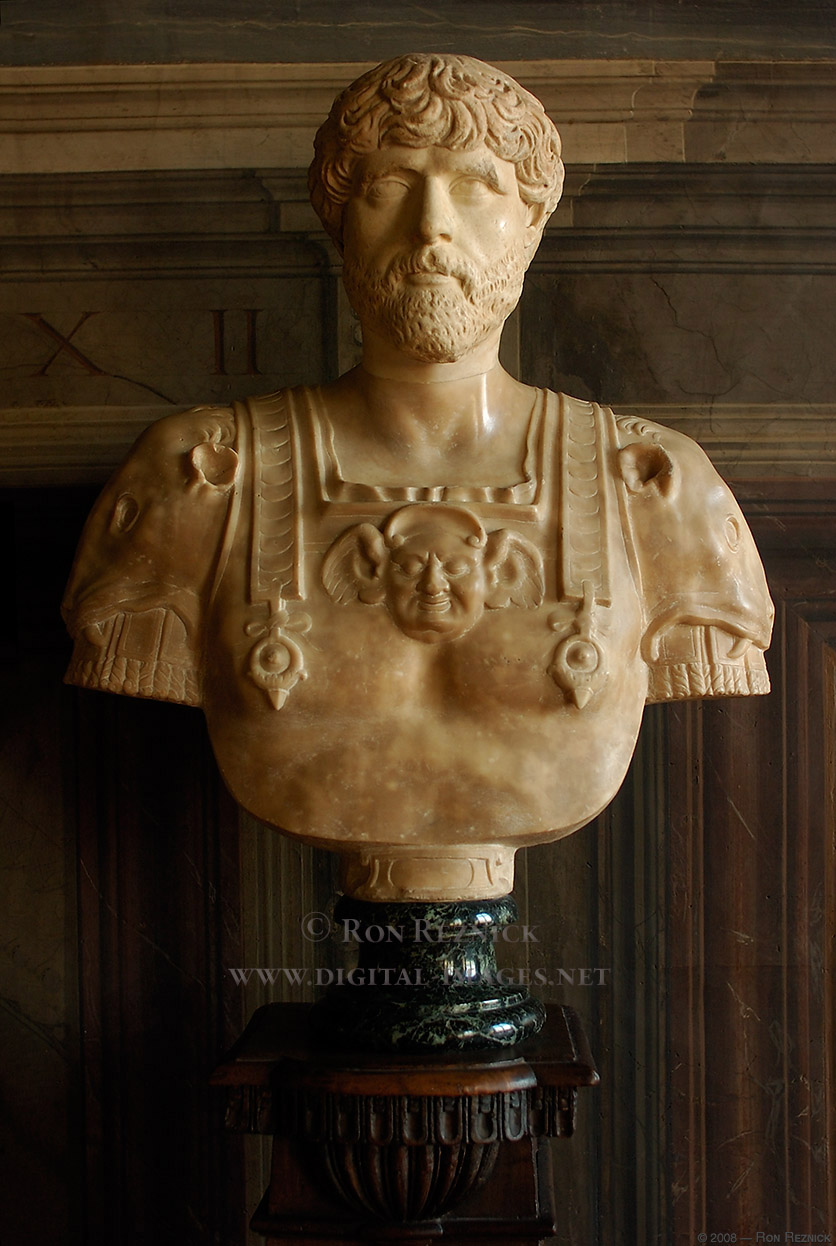
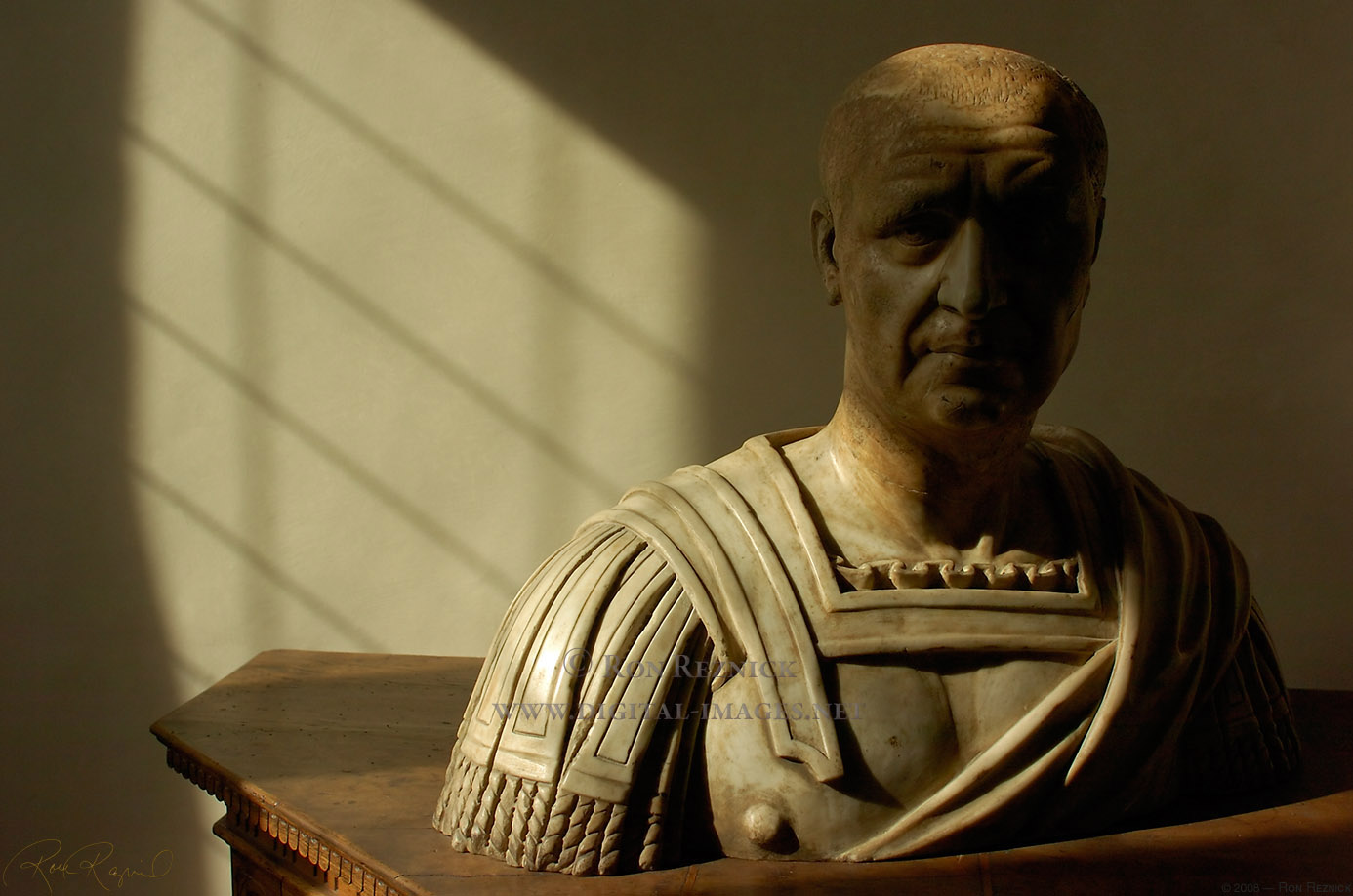
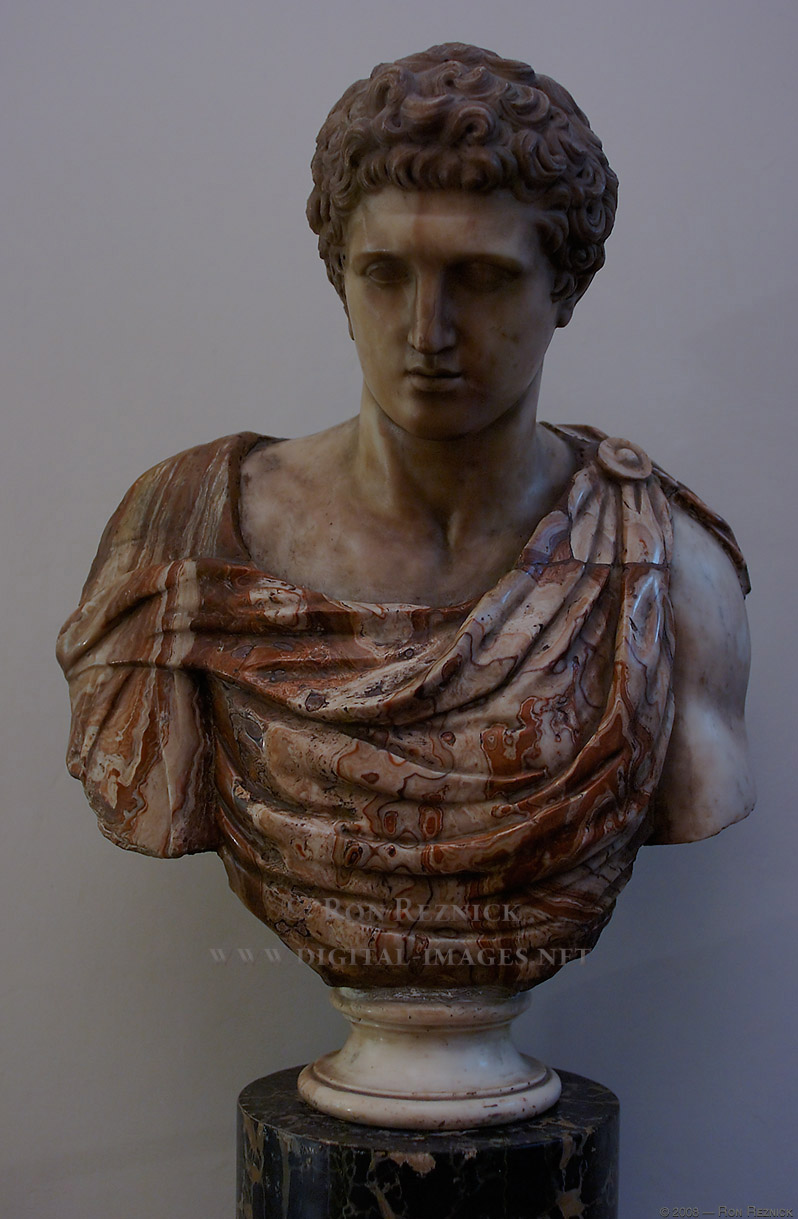
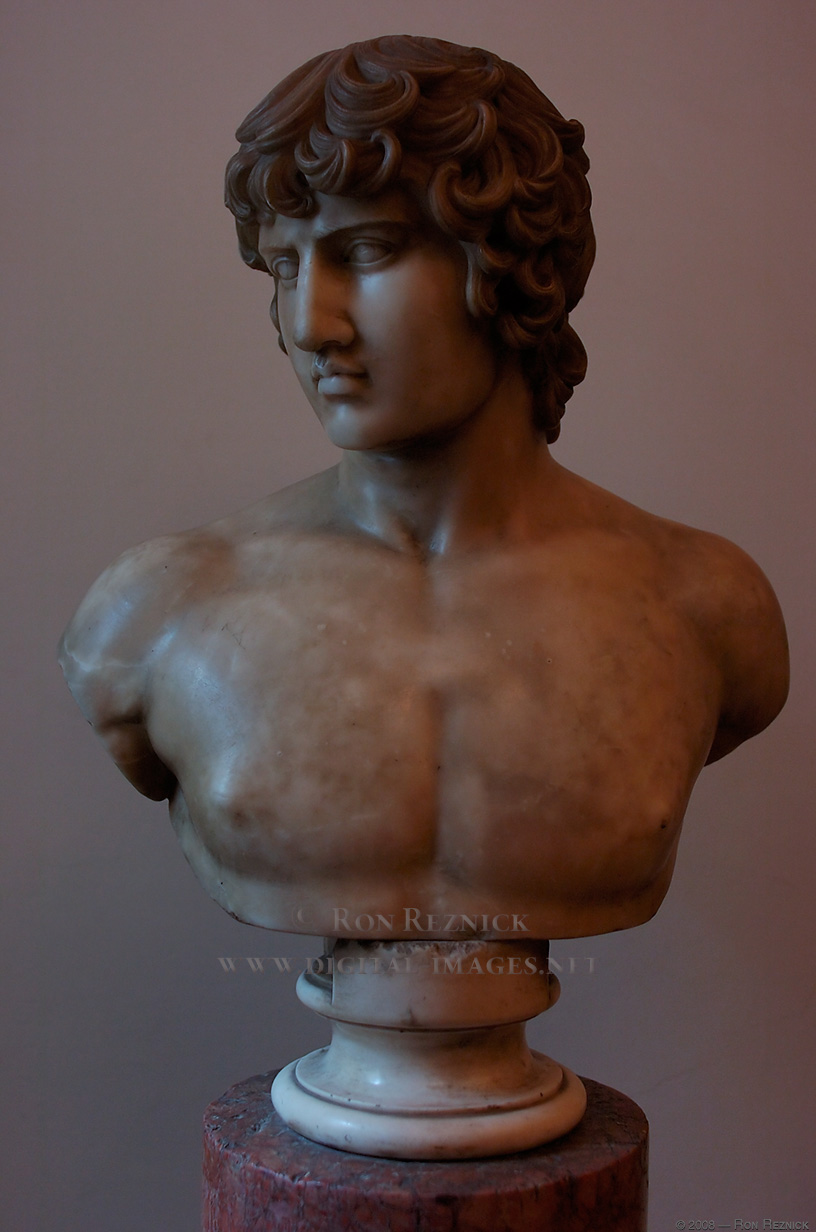
Medici Roman Busts The Medici acquired a large number of sculptures, buying up anything ancient (These are titled Roman Bust in the Stock portfolio. Shot numbers are the same).
|
||||||||||||||||||||||||||||
|
Medici Bust 5501
|
Medici Bust 5446
|
|||||||||||||||||||||||||||
|
Medici Bust 5503
|
Medici Bust 5448
|
|||||||||||||||||||||||||||
|
Medici Bust Dining Room Palazzo Vecchio 5542 This bust is one of my favorites. I like the style used as well as the fact that by
|
||||||||||||||||||||||||||||
|
Roman Bust Palazzo Vecchio 5599
|
Antinous Palazzo Vecchio 5587
|
|||||||||||||||||||||||||||
|
The bust above left is quite interesting for several reasons. First, note the head position The bust above right is one of the busts of Antinuous. A member of Emperor Hadrian’s entourage,
|
||||||||||||||||||||||||||||
|
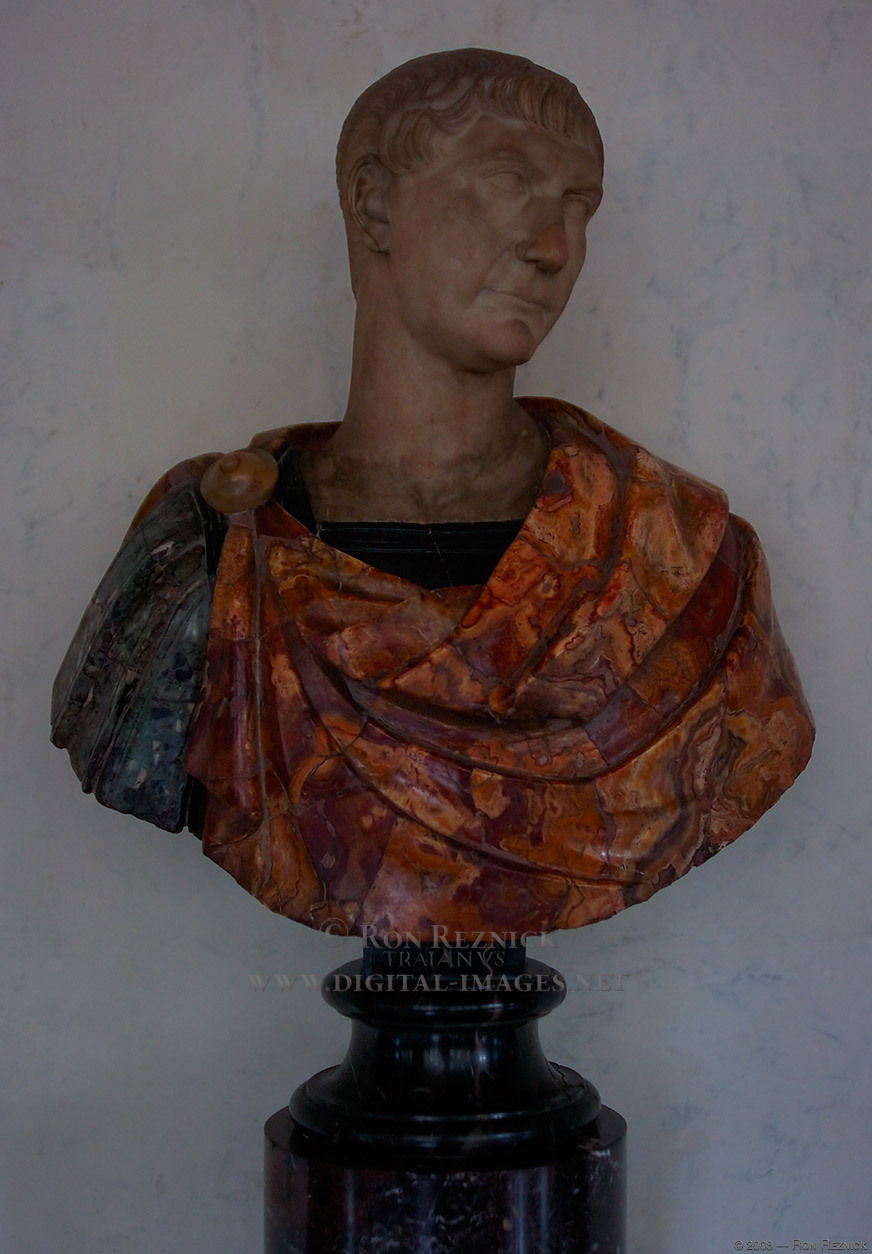
Trajan 4756
|
This image pair is not from the Palazzo
Trajan detail 4756c This is one of the most beautiful ancient busts
|
|||||||||||||||||||||||||||
|
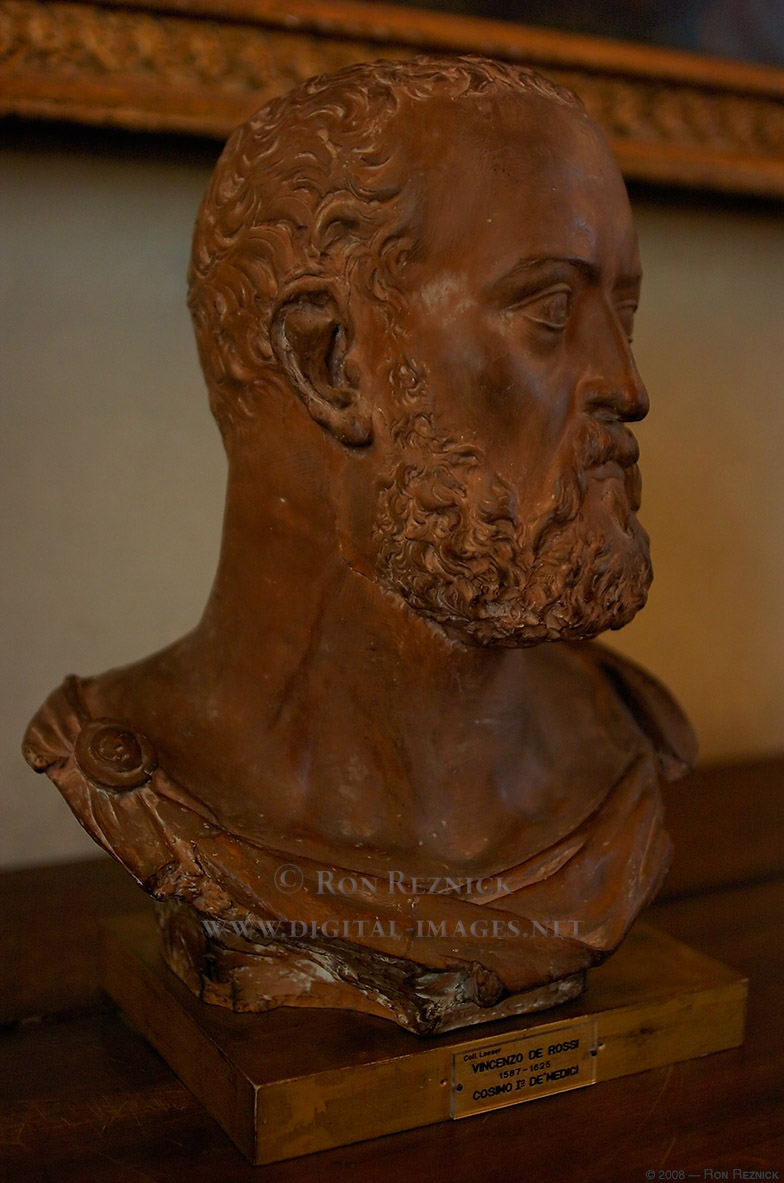
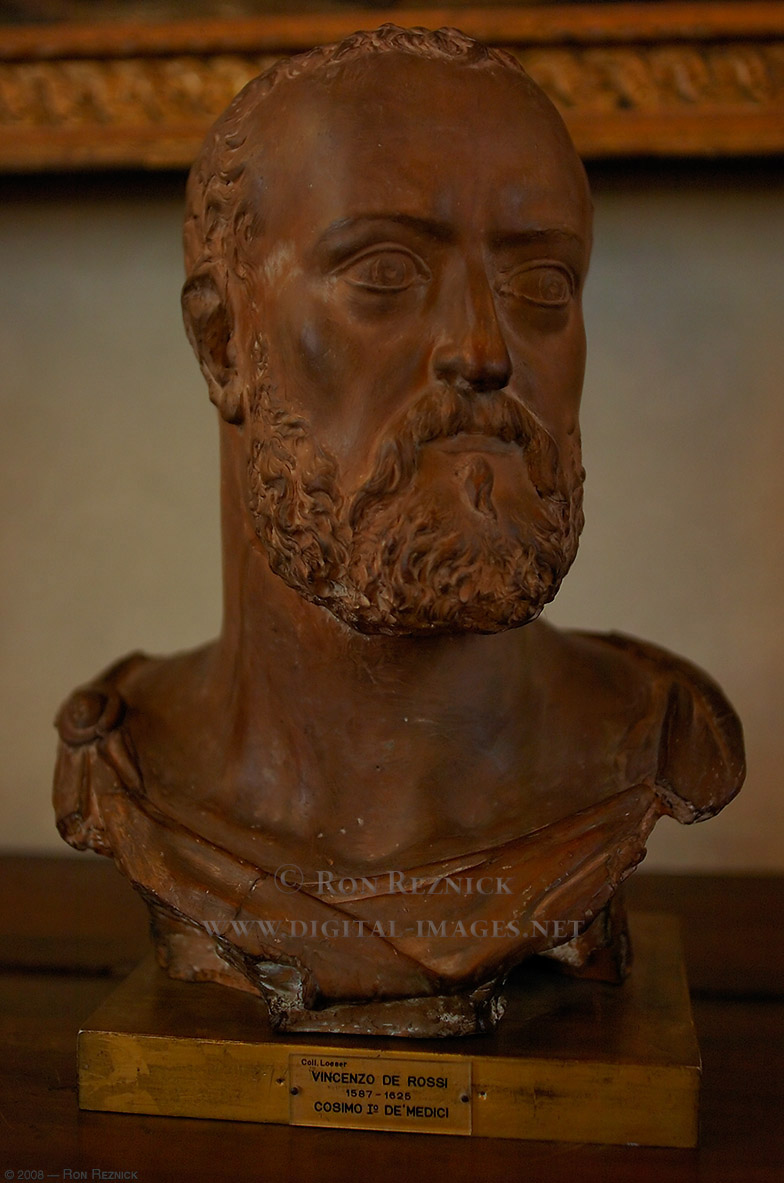
Cosimo Medici de’ Rossi 5591 Vincenzo de’ Rossi worked on a number of
|
Cosimo Medici de’ Rossi 5589 This simple bust was probably created about
|
|||||||||||||||||||||||||||
|
Niccolo Machiavelli 5581, 5583 Santi di Tito’s stucco bust of Machiavelli in the Old Chancellerie of the Both this bust and the famous portrait of Machiavelli (hanging in the Palazzo Vecchio)
|
||||||||||||||||||||||||||||
|
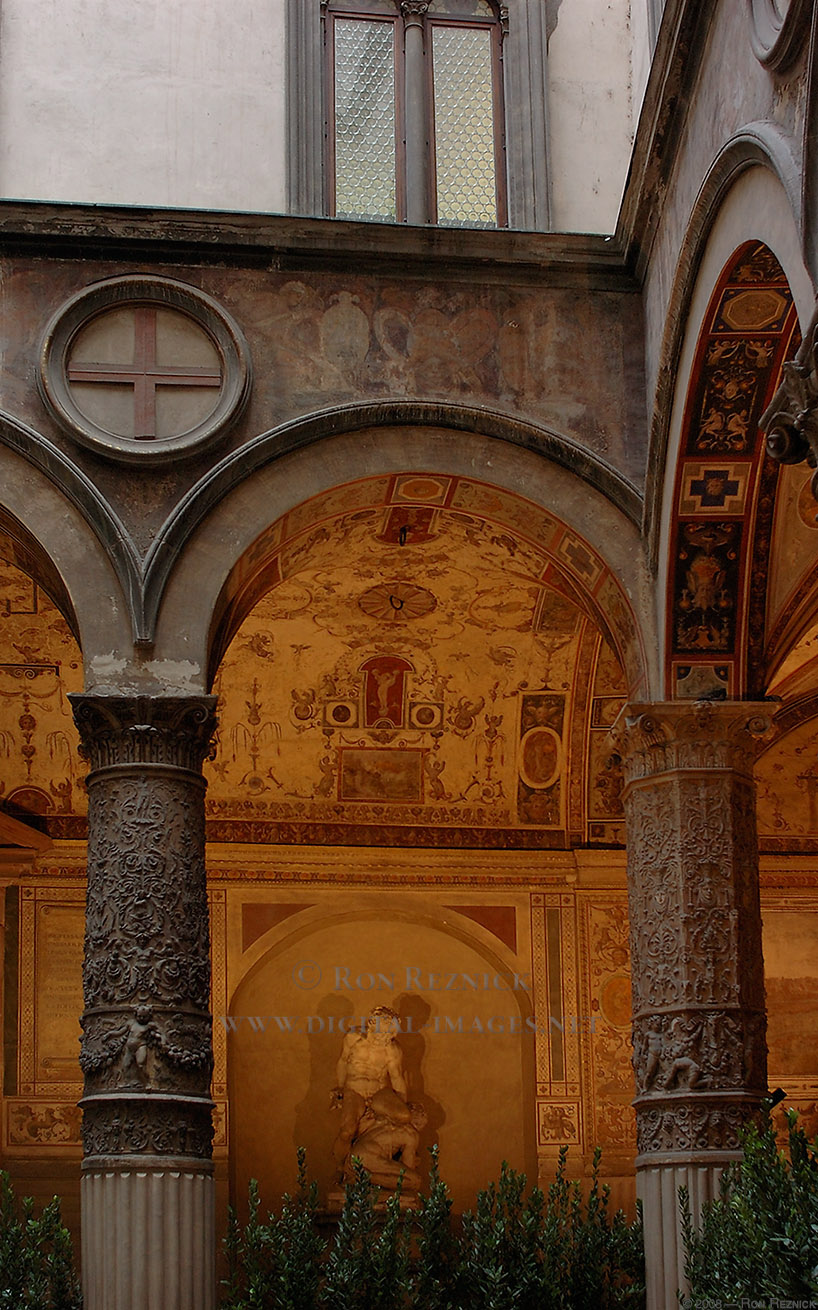
Cortile Pierino da Vinci Samson 4138 Michelozzo’s Cortile (courtyard) with its |
Samson and the Philistine |
|||||||||||||||||||||||||||
|
Pierino da Vinci was Leonardo’s nephew (1529-53). He studied under Baccio Bandinelli |
||||||||||||||||||||||||||||
|
Images on this page are in a number of different Galleries on the Photoshelter website.
There are 11 Galleries in the Photoshelter Florence Collection
|
||||||||||||||||||||||||||||
|
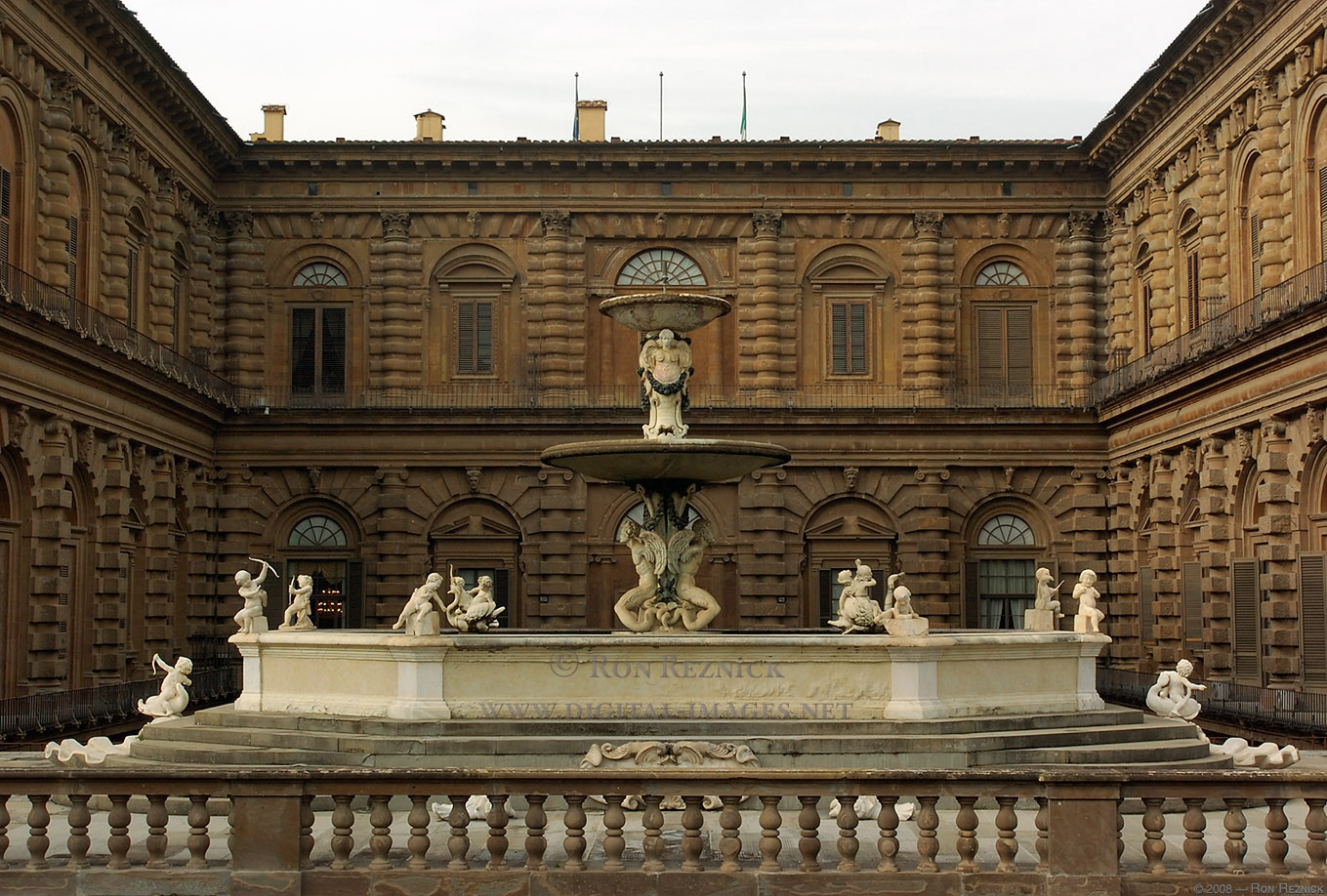
Boboli Gardens, Palazzo Pitti Palazzo Pitti got its start in 1458, when it was built by Luca Pitti, a friend of Cosimo Medici the Elder. The Pitti family spent a huge fortune in the construction, but it was finally bought by the Medici family in 1549 when Eleanor of Toledo, wife of Cosimo I de’ Medici, decided to acquire it as a summer retreat. It became the principal residence of the Medici after her death. Land on the Boboli Hill was acquired in order to build the Boboli Gardens. The formal garden was started by the Medici Court Artist Niccolo Tribolo, but he died the next year and the work was taken on by Bartolommeo Ammanati, a student of Bartolommeo Bandinelli who closely followed the style of Michelangelo (which might have annoyed Bandinelli, who was fiercely jealous of Michelangelo). It was Ammanati who created the Neptune Fountain in Piazza della Signoria. He also created numerous other major sculptures, and was an architect of note as well. He created the courtyard behind the palazzo (shown below) to link it with the gardens. The channeled rustication in the stone facade which he created for the courtyard has been widely copied for other monumental buildings, such as the Palais Luxembourg in Paris.
|
||||||||||||||||||||||||||||
|
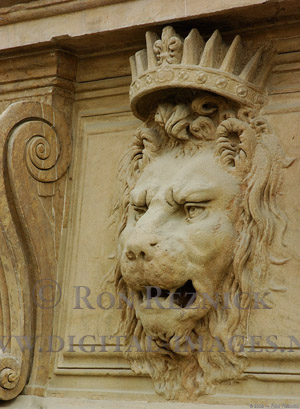
Pitti Palace Lion 5630 The lion is a symbol of Florence. This one is over a small fountain outside of
|
||||||||||||||||||||||||||||
|
Pitti Palace Fountain 5647 The imposing Garden (rear) facade of the Palazzo Pitti, with its channeled rusticated stone Fontana del Carciofo Designed by Giambologna’s former assistant Francesco Susini and completed in 1641, it is
|
||||||||||||||||||||||||||||
|
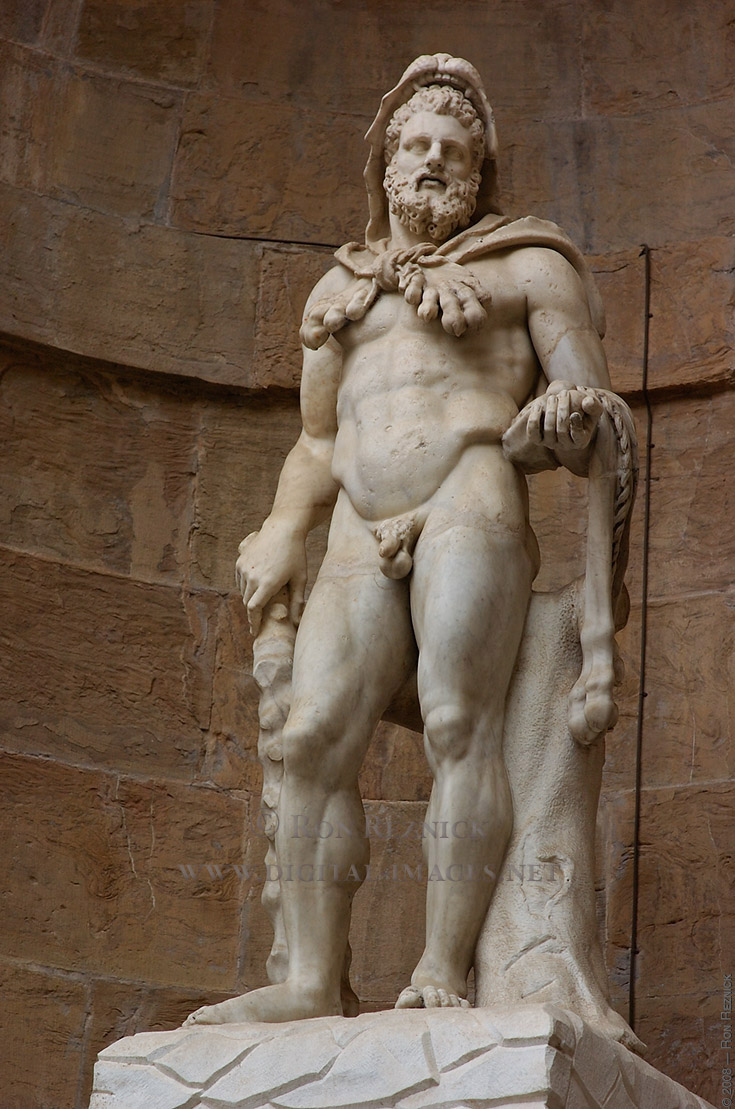
Hercules Pitti Palace 5639 |
Jupiter Boboli 5730 |
|||||||||||||||||||||||||||
|
Two more of the Medici’s ancient statues. They placed larger statues at their
|
||||||||||||||||||||||||||||
|
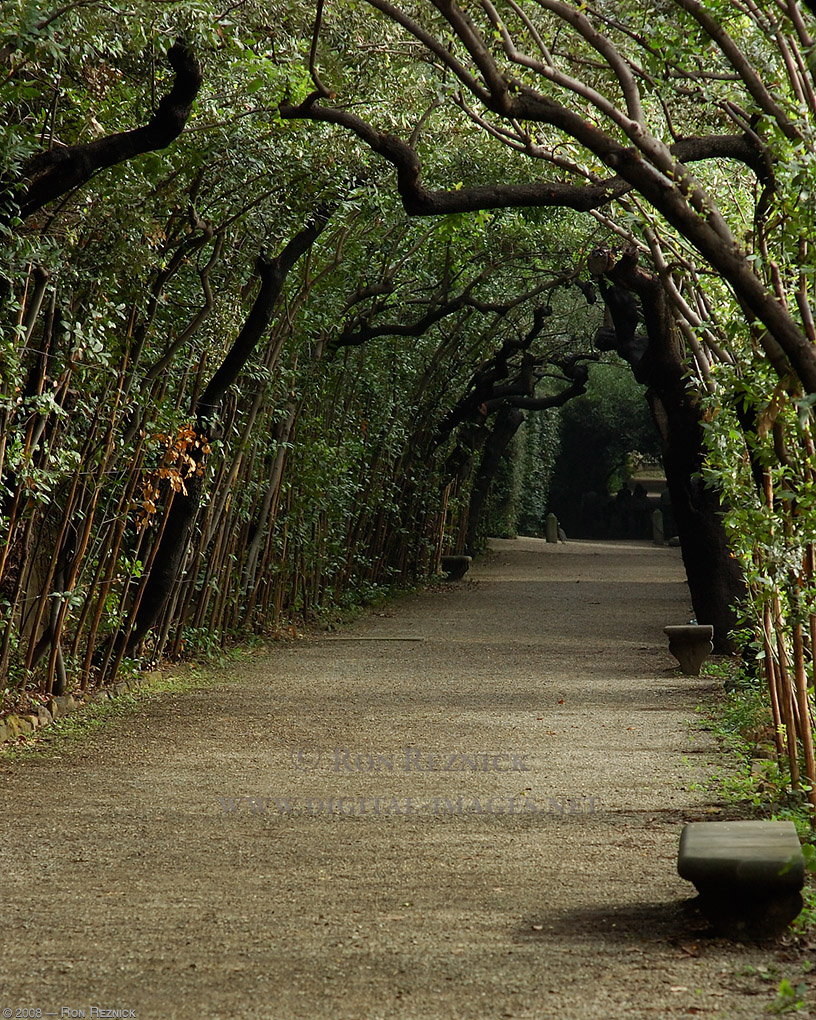
Boboli Garden Path 5649
|
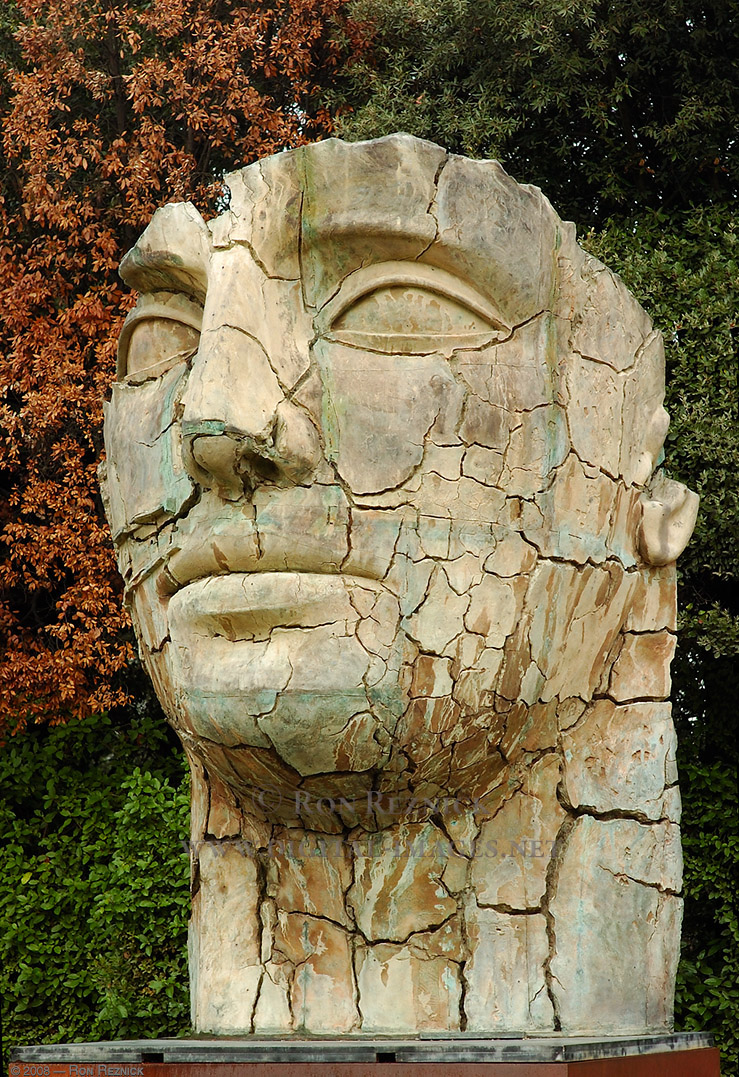
Head Fragment Boboli Gardens 5655 This head is about 15 feet tall.
|
|||||||||||||||||||||||||||
|
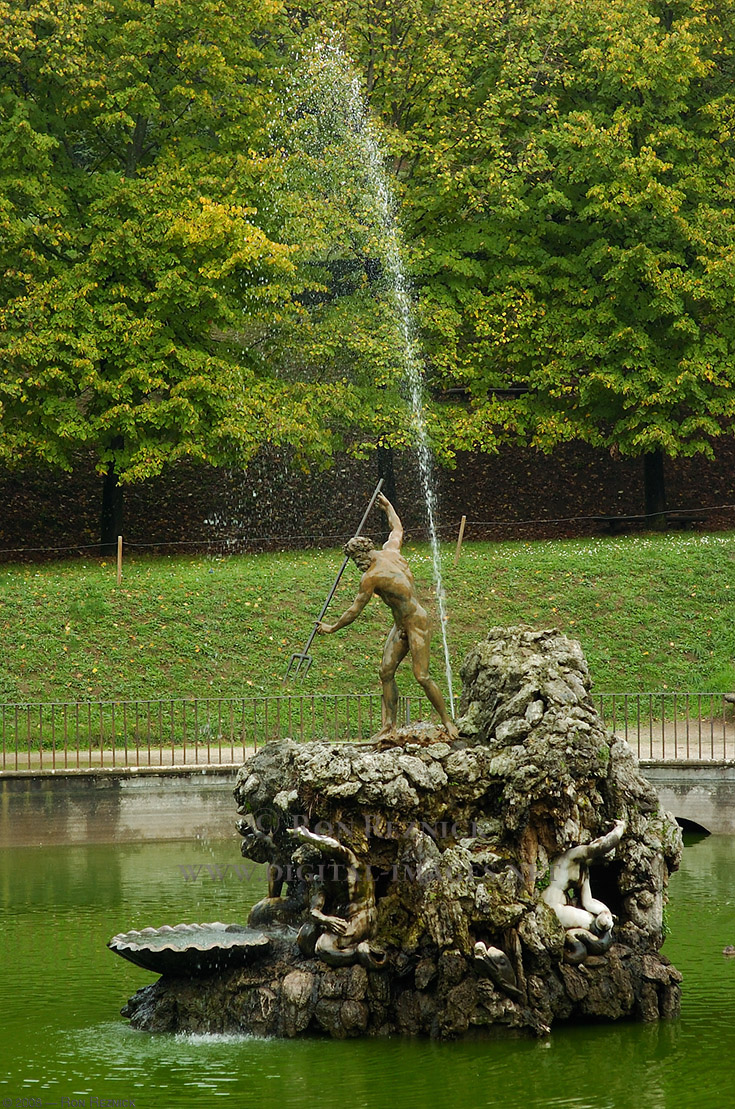
Fountain of Neptune Boboli Gardens 5659 Stoldo Lorenzi’s masterwork (1565-68).
|
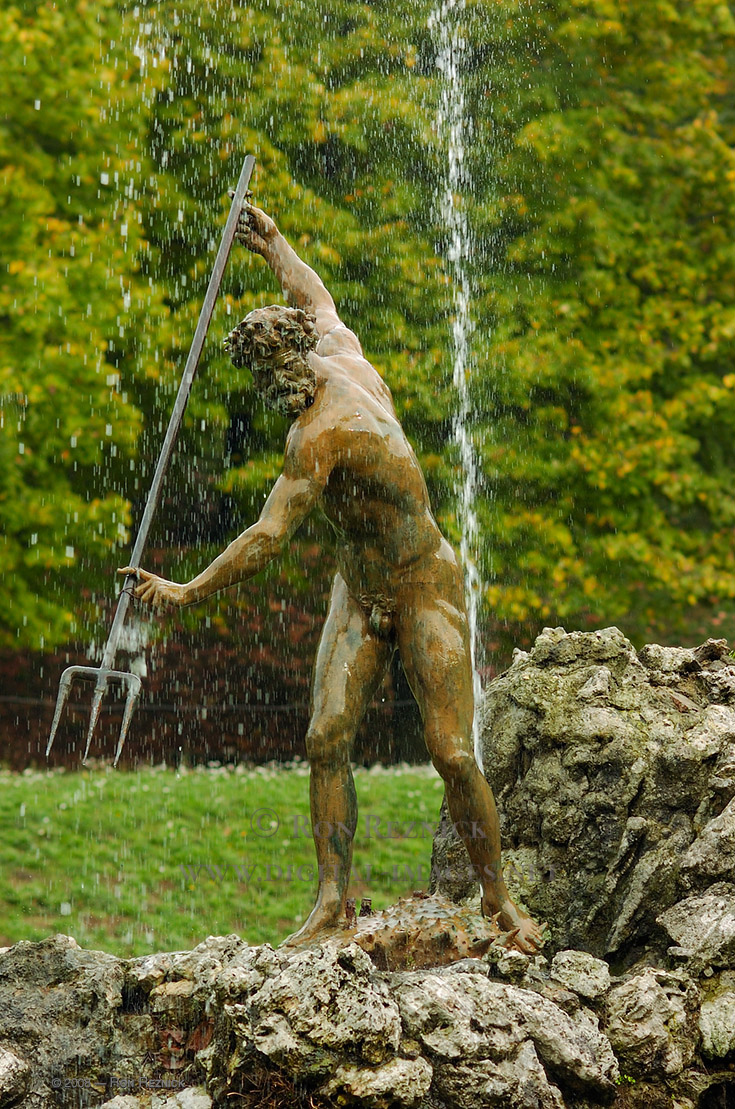
Neptune Boboli Gardens 5661 Lorenzi was a pupil of Giambologna.
|
|||||||||||||||||||||||||||
|
Abundance Giambologna Tacca Salvini Boboli 5666 There are a great number of statues scattered around Boboli Gardens, quite a few of which were created by Giambologna. This one was in progress when he died in 1608. Pietro Tacca, his chief pupil and assistant (who took over his shop) finished the sculpture (in 1637) with Sebastiano Salvini da Settignano. The statue was modeled after Johanna of Austria, the (rather short) wife of the Medici Grand Duke Francesco I, and was originally intended to be placed on a column in Piazza San Marco. It was moved to Boboli in 1636 and finished in 1637.
|
||||||||||||||||||||||||||||
|
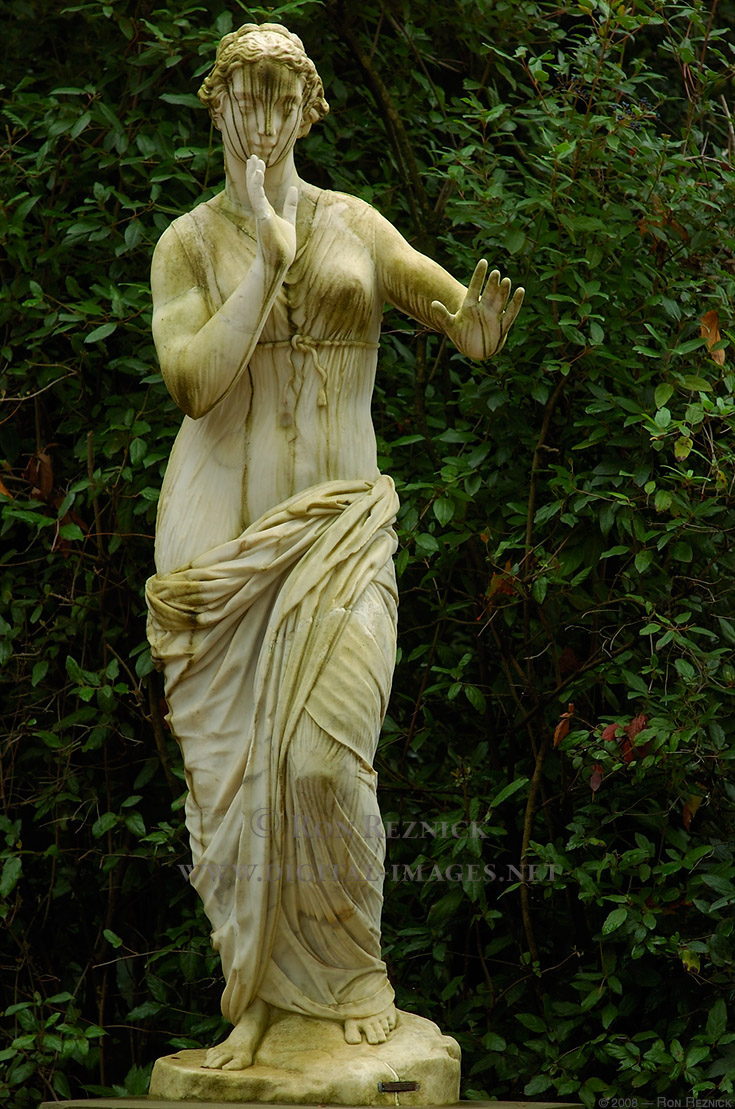
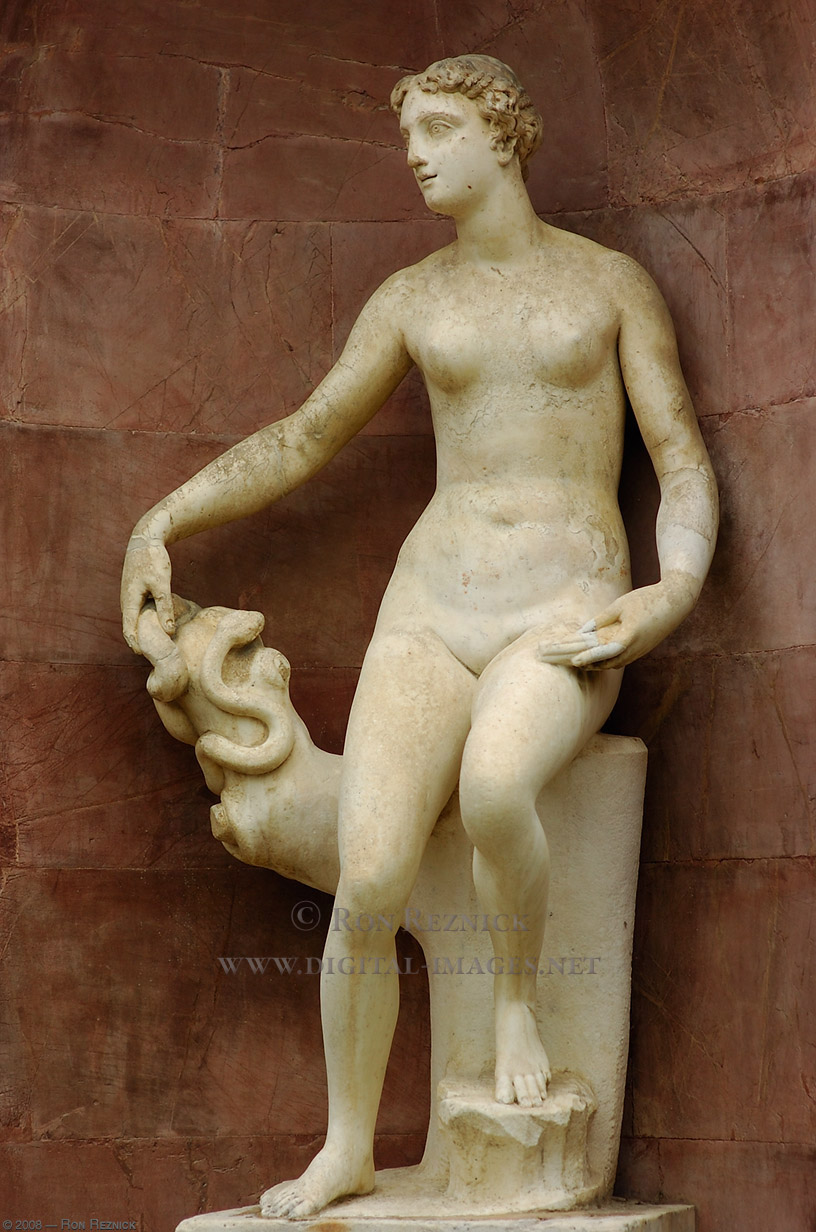
Modesty Boboli 5697
|
Andromeda Boboli 5695
|
|||||||||||||||||||||||||||
|
Roman Senator Boboli 5693 This Roman Senator is one of several ancient
|
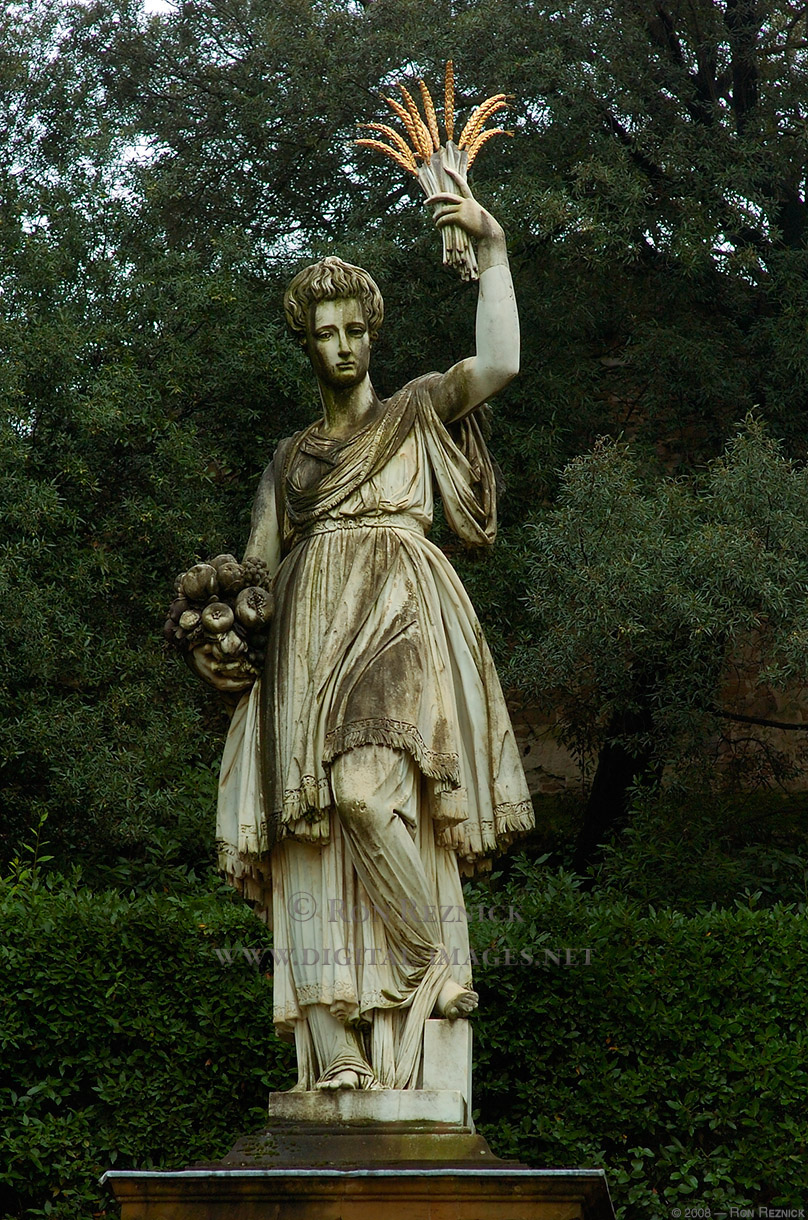
Autumn Giovanni Caccini Boboli 5688 Caccini was best known for restoring
|
|||||||||||||||||||||||||||
|
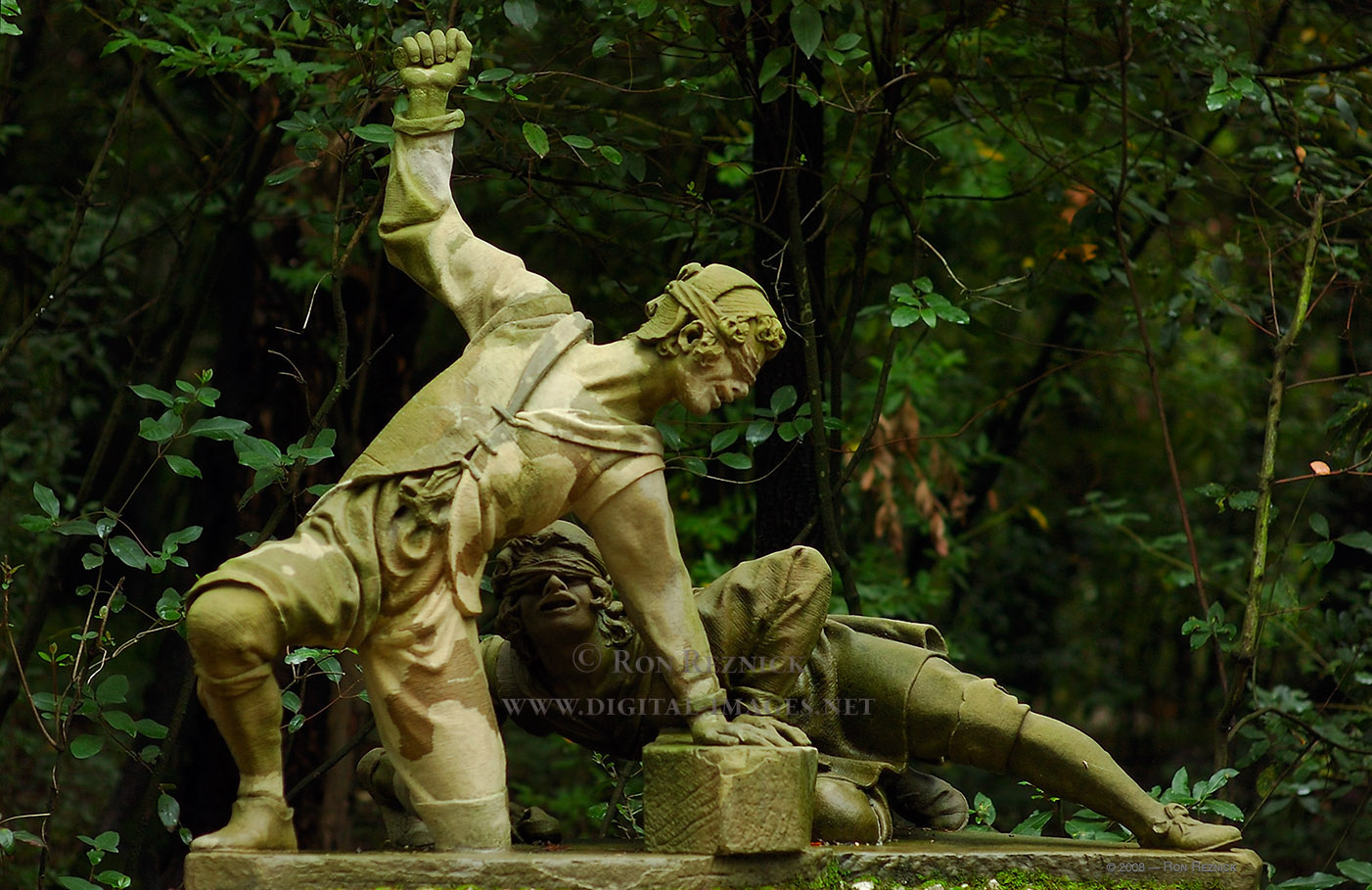
Players Boboli 5699 Giovanni Francesco Susini, the creator of the Fonana del Carciofo shown earlier, Sacchomazzone literally means a bundle of sacks. Two players had to keep one hand on a stone placed between them. Both were blindfolded. Susini also created a number of other sculptures in the garden.
|
||||||||||||||||||||||||||||
|
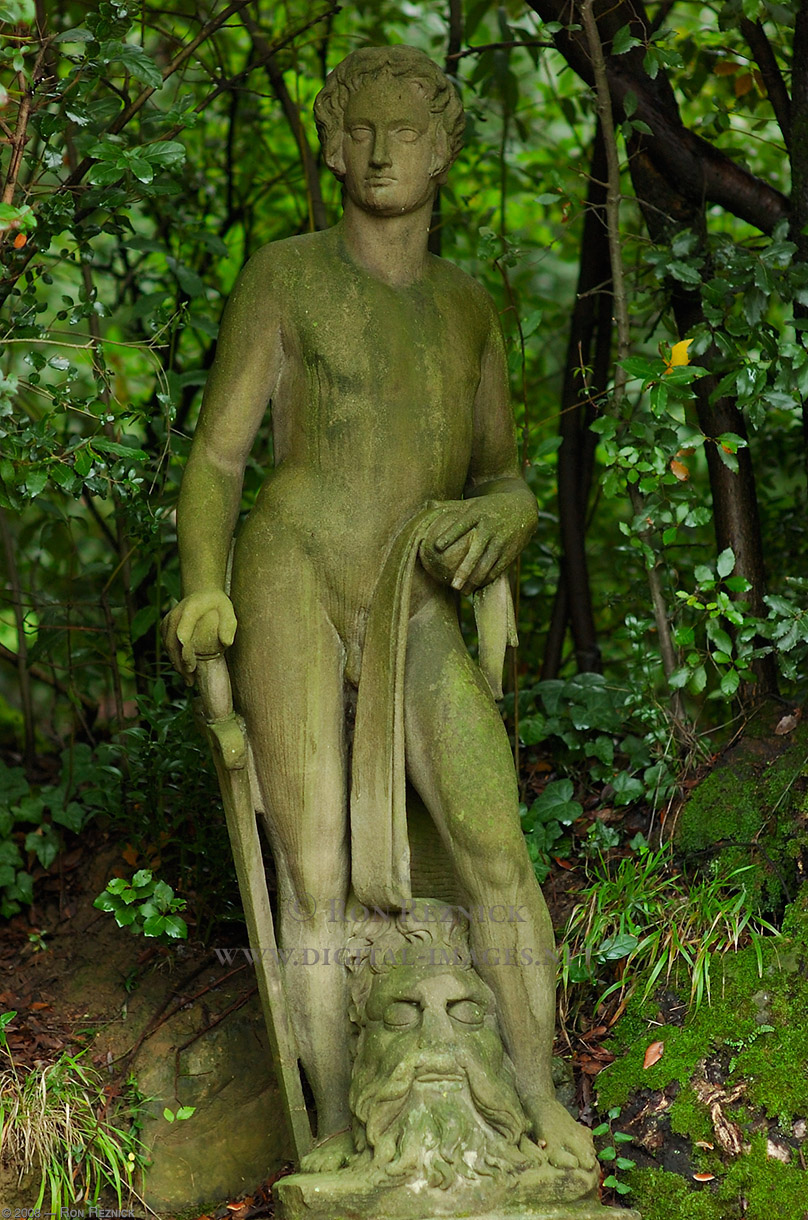
David with Head of Goliath Boboli 5705 Another Susini piece. He did several statues with
|
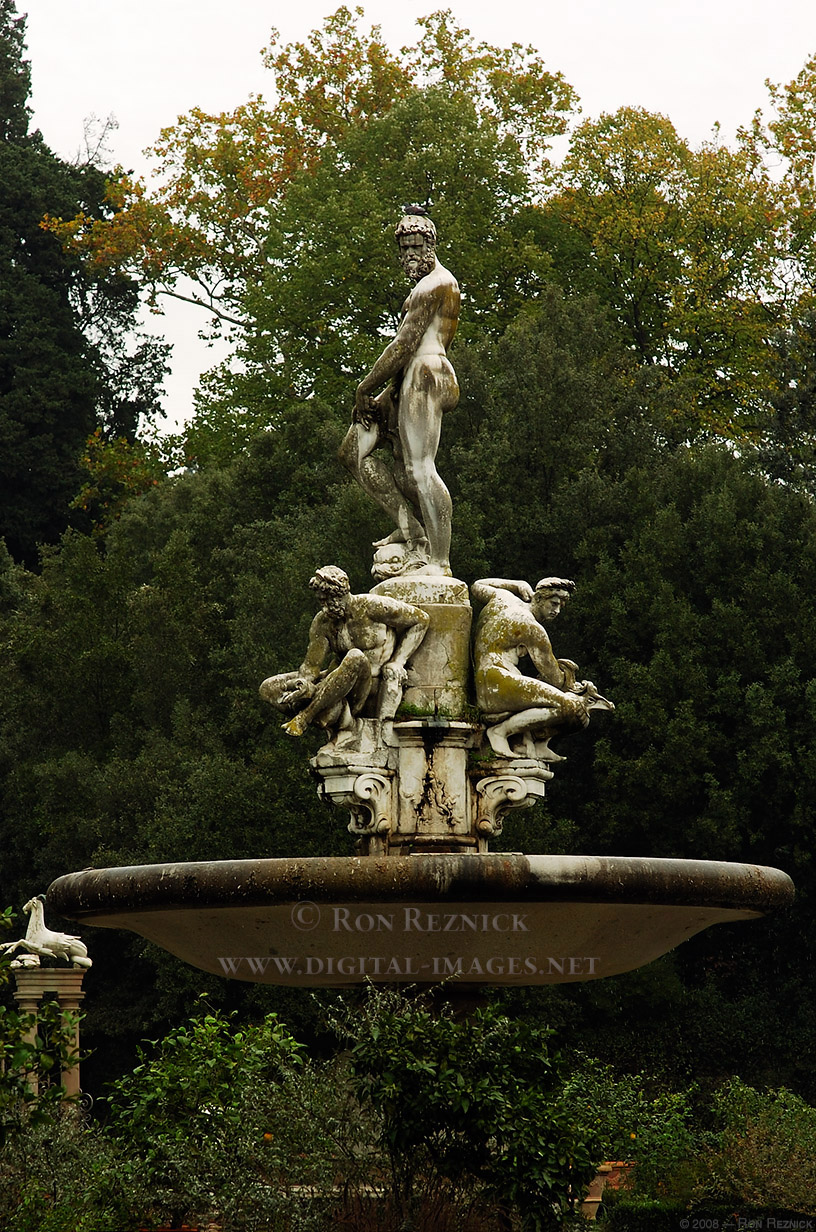
Oceanus Giambologna Boboli 5717 The Fountain of Oceanus was created by
|
|||||||||||||||||||||||||||
|
Triton Boboli 5715 One of the Tritons that are part of Fontana dei Tritoni. Fontane dei Tritoni is part of the
|
||||||||||||||||||||||||||||
|
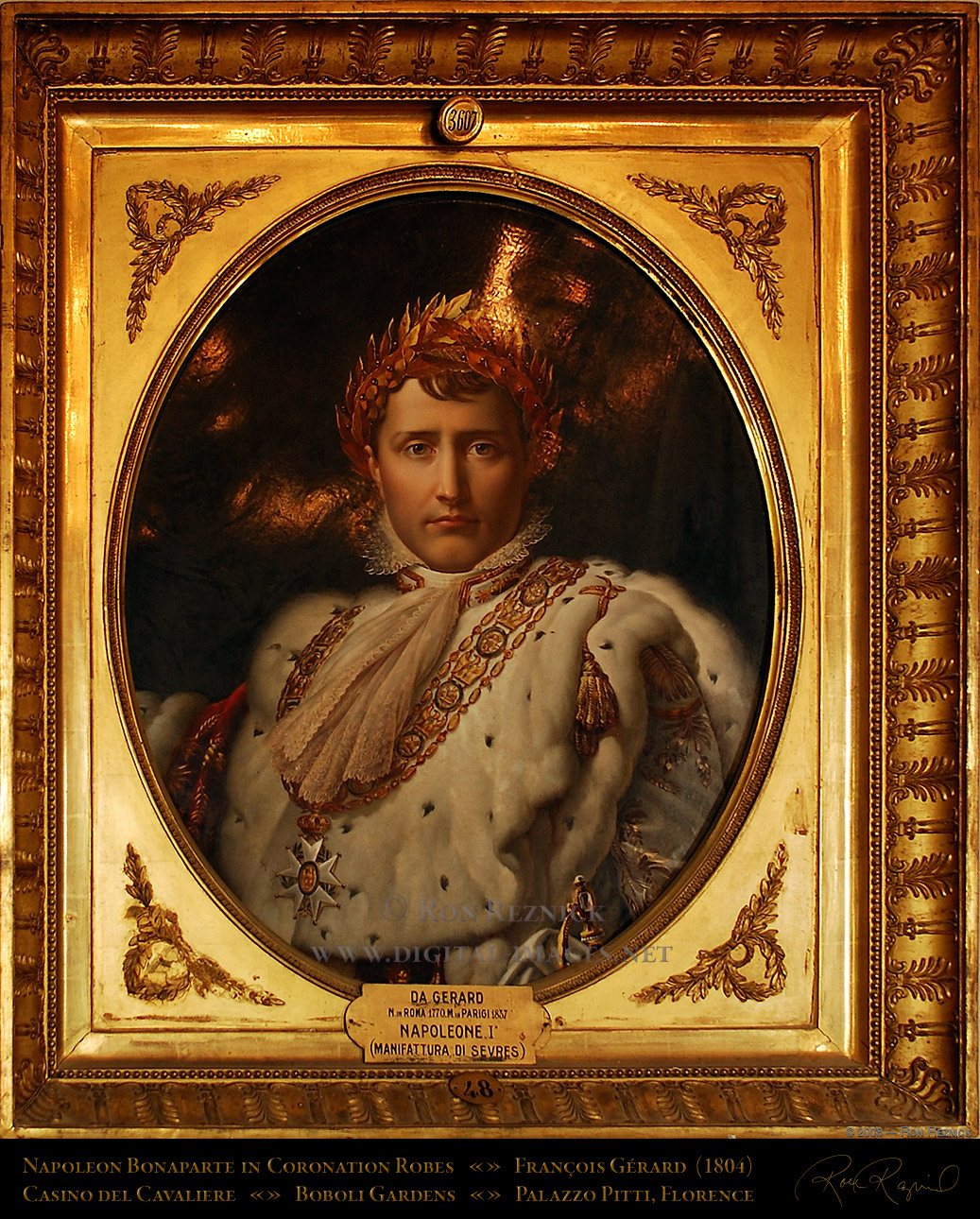
Napoleon Bonaparte Palazzo Pitti 5684 In the Casino del Cavaliere, Boboli Gardens, there is a fabulous collection of porcelain Mounted on the rear wall of the porcelain museum is this painting of Napoleon Bonaparte.
|
||||||||||||||||||||||||||||
|
Grotto of Buontalenti
|
||||||||||||||||||||||||||||
|
Grotto of Buontalenti 5634 Flanked on both sides by statues of
|
Grotto Buontalenti Facade 5769 The Grotto houses several Mannerist sculptures
|
|||||||||||||||||||||||||||
|
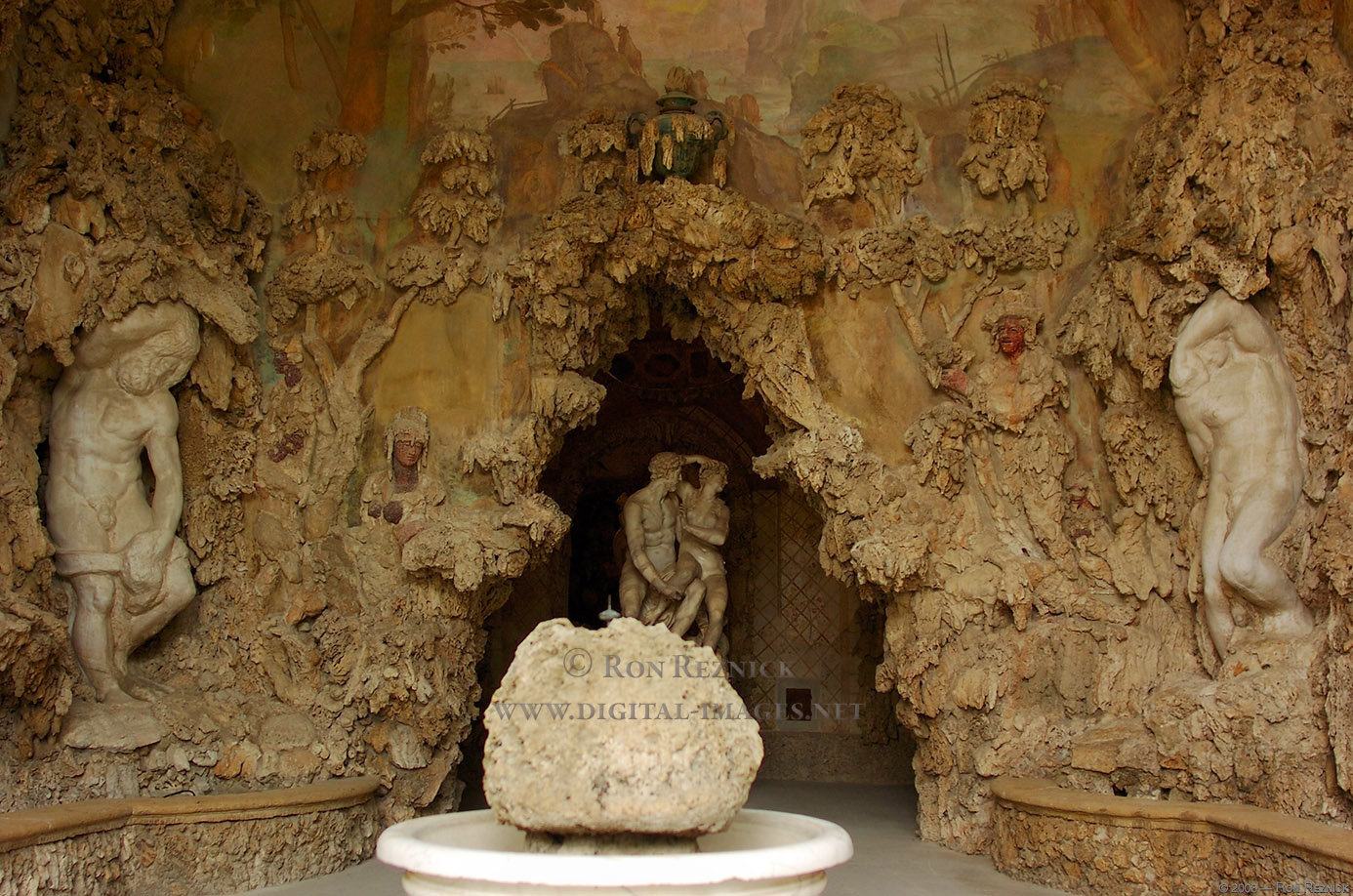
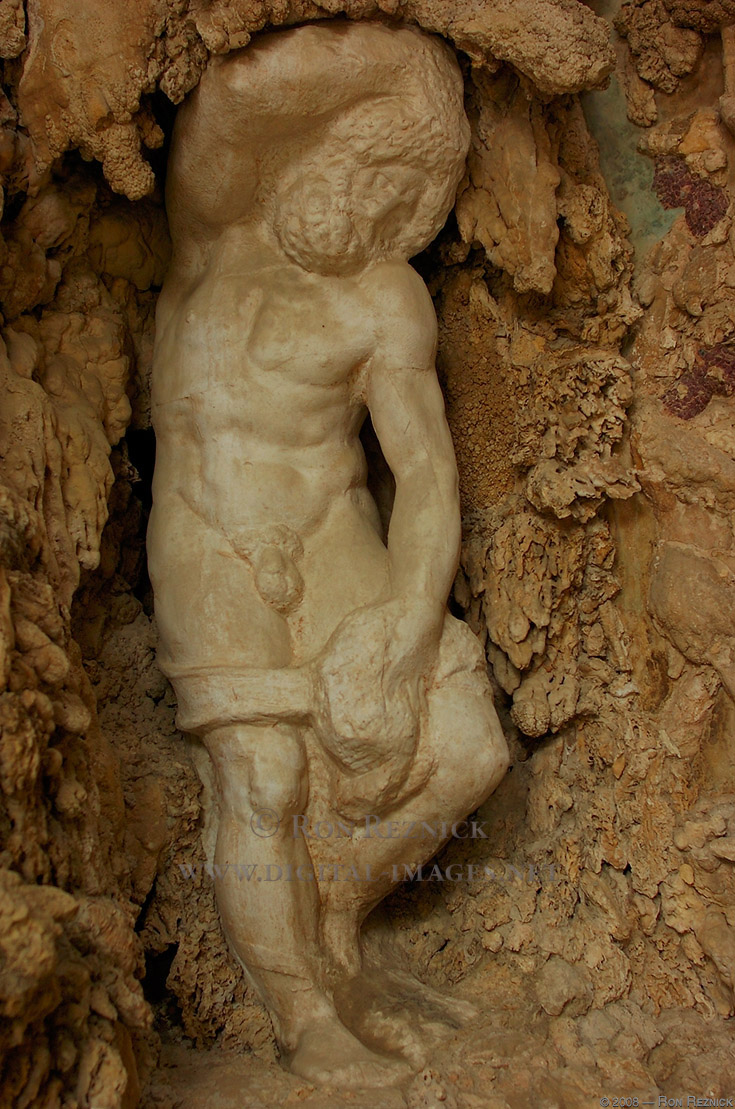
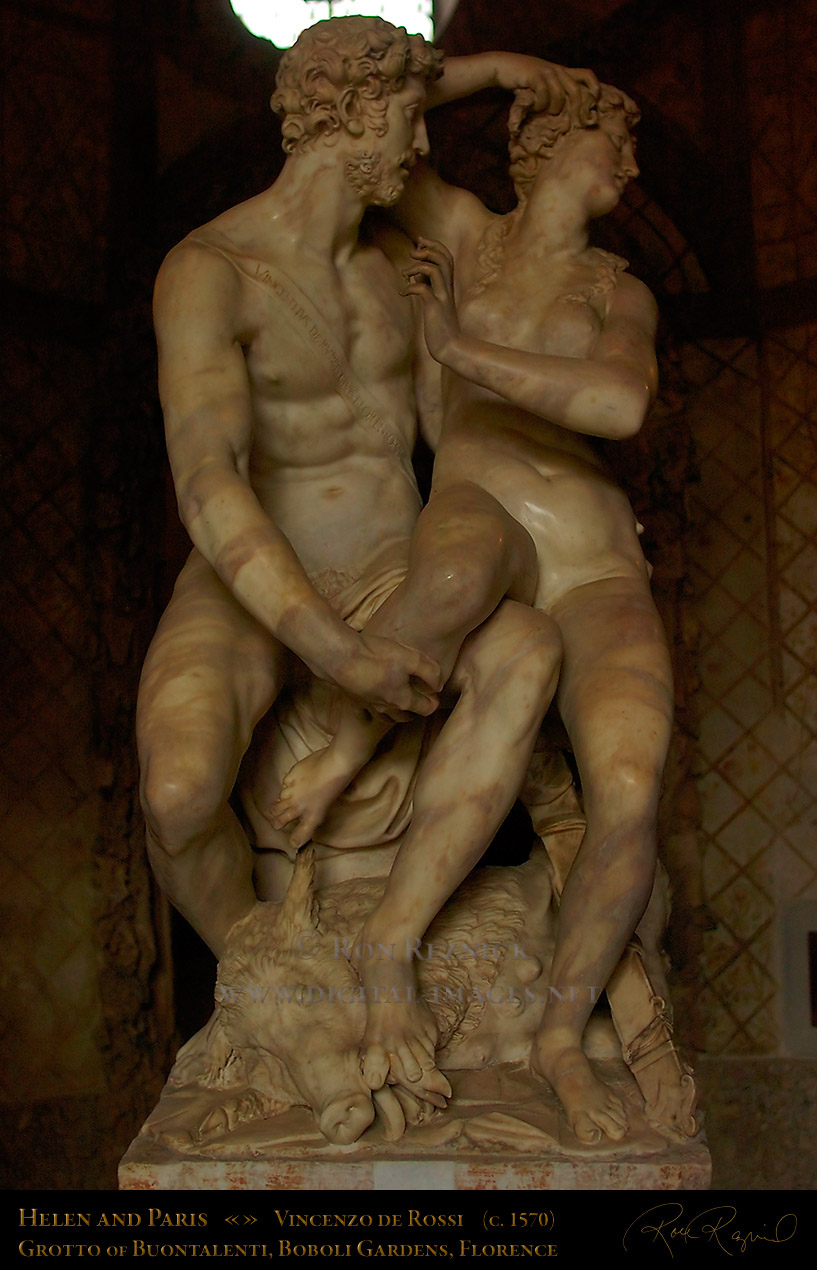
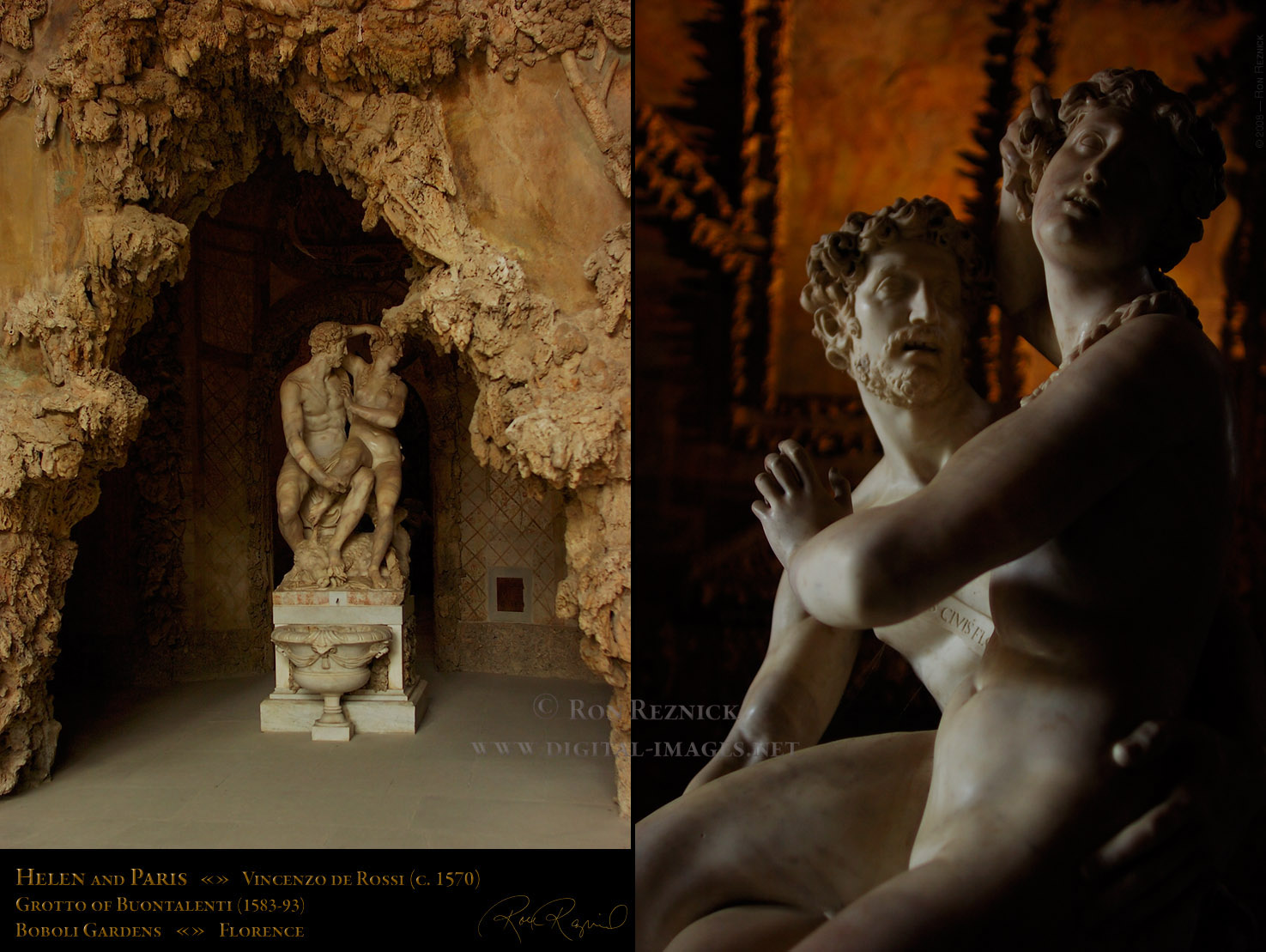
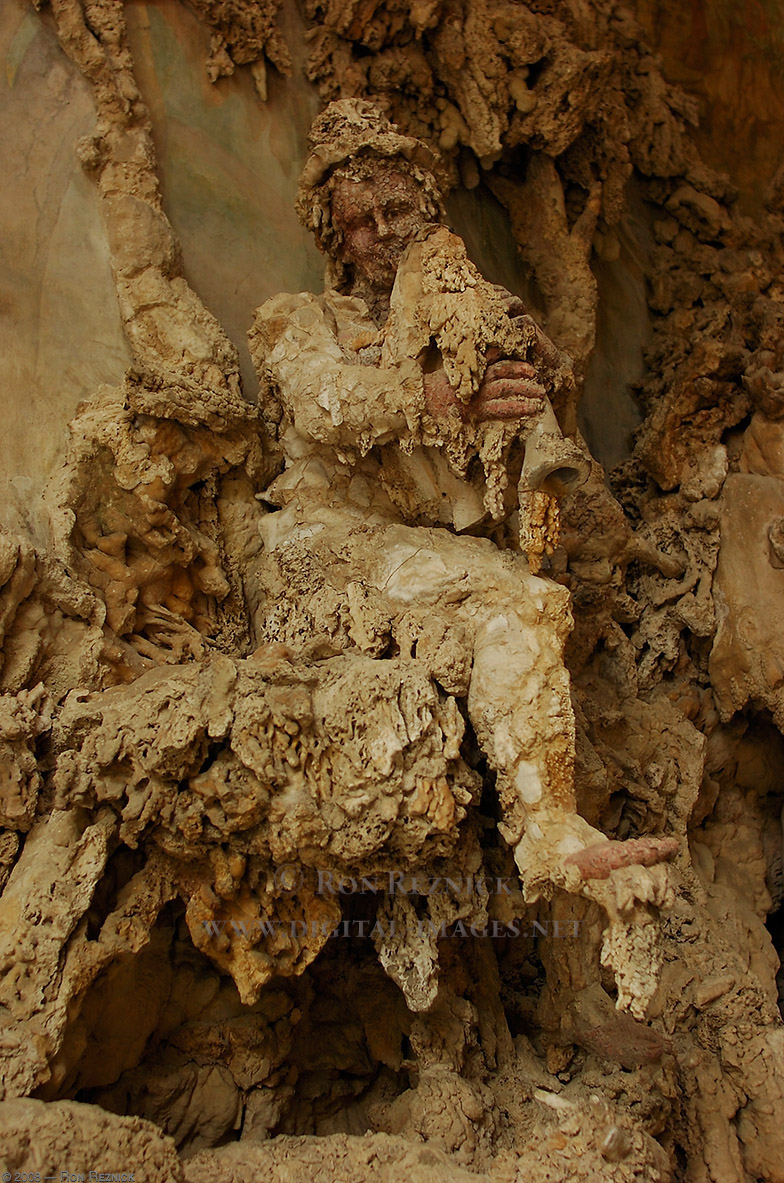
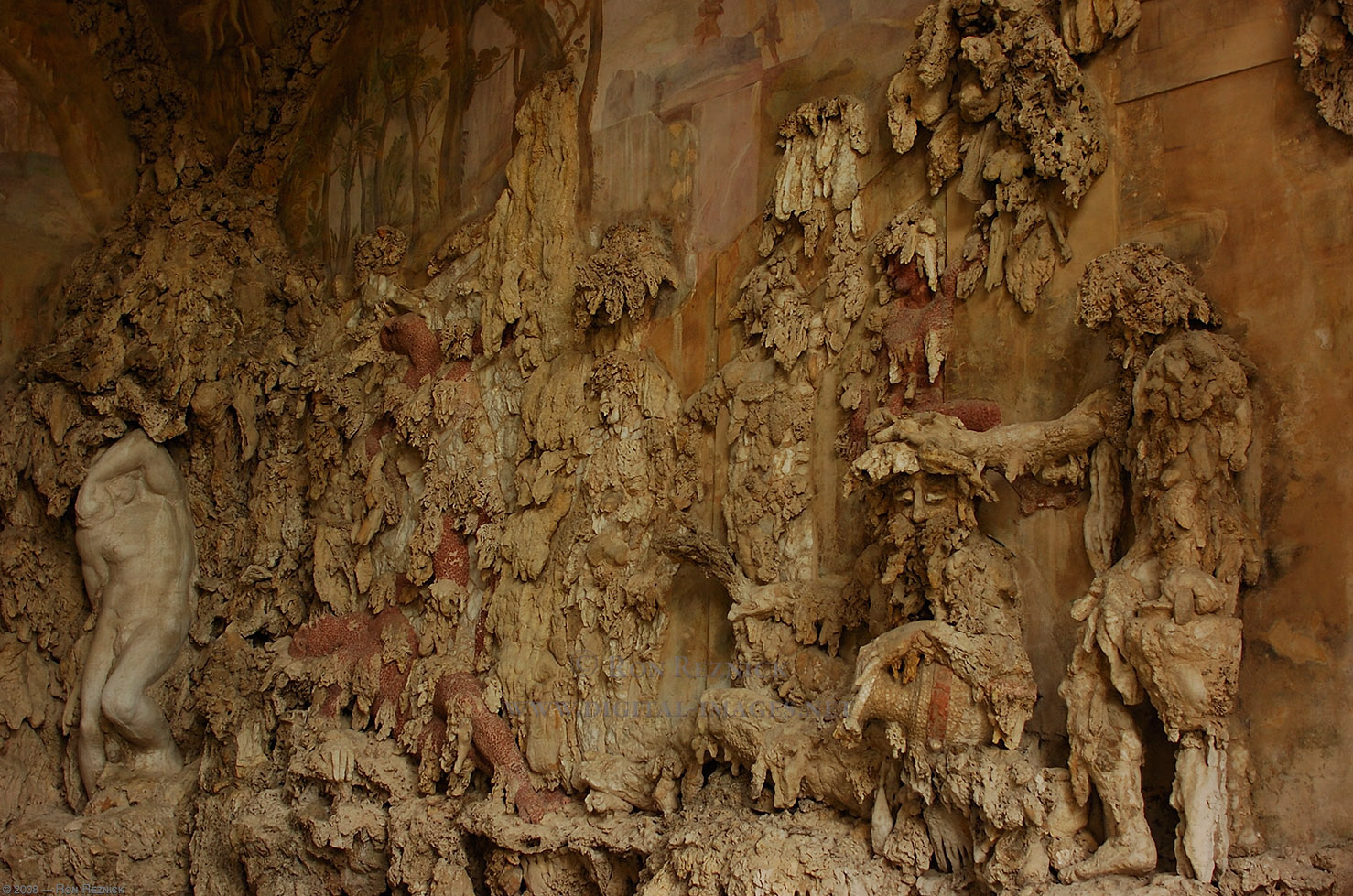
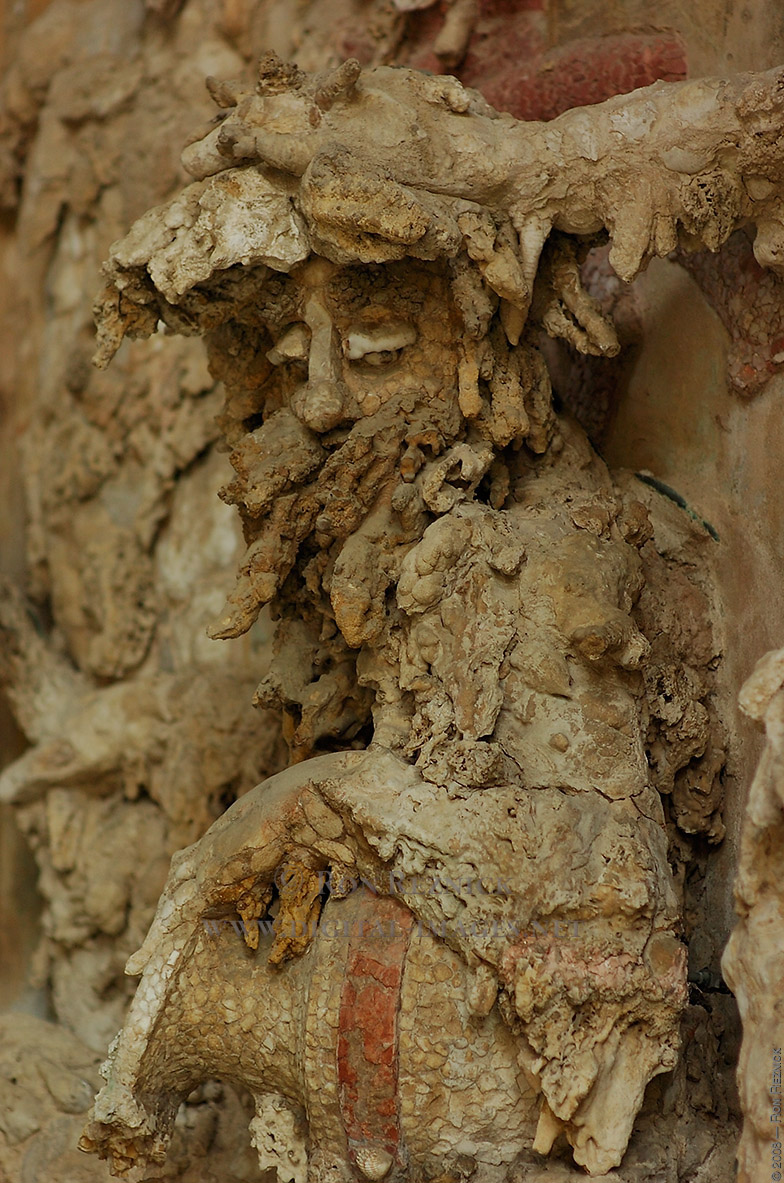
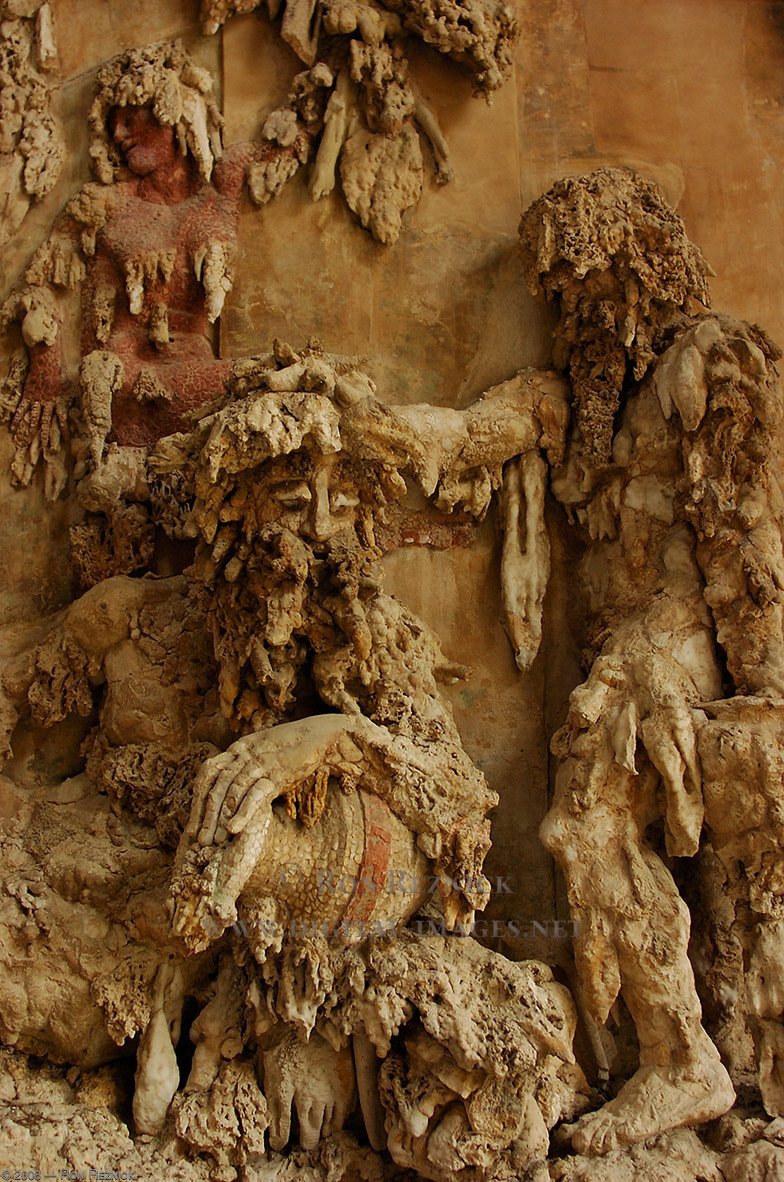
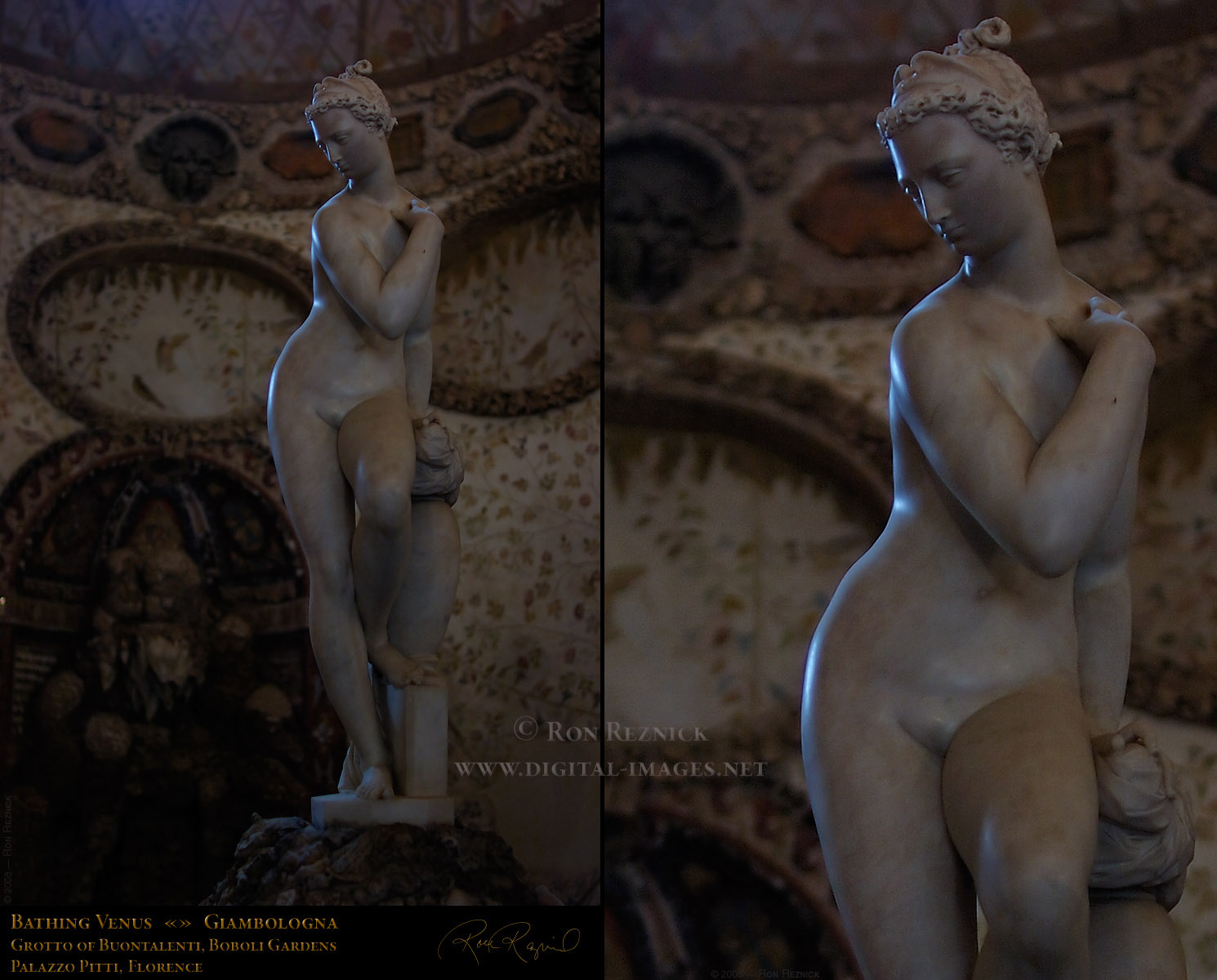
Built in 1583-88, it contains three connecting grottoes, the first with copies of four of Michelangelo’s Prisoners (originally created for the Tomb of Julius II, seen on the Roman Church Interiors page. The originals were moved to the Academia) and some truly surreal sculptures seemingly extruded from the walls. The second grotto contains Vincenzo de’ Rossi’s Helen and Paris, and the inner grotto houses Giambologna’s Bathing Venus. |
||||||||||||||||||||||||||||
|
Ceres Baccio Bandinelli Boboli 5738 This sculpture by Bartolommeo (Baccio) Bandinelli is
|
||||||||||||||||||||||||||||
|
Grotto of Buontalenti 5759 Bernardo Buontalenti worked exclusively for the Medici as a painter, sculptor, architect,
|
||||||||||||||||||||||||||||
|
Michelangelo Prisoner Detail of Michelangelo’s Bearded Prisoner.
|
Helen and Paris Grotto of Buontalenti 5777 Vincenzo de Rossi’s Helen and Paris, centered in
|
|||||||||||||||||||||||||||
|
Helen and Paris Grotto of Buontalenti 5774, 5807 This sculpture is interesting in that it is designed to be looked at from only two angles: the
|
||||||||||||||||||||||||||||
|
Grotto of Buontalenti 5828 The first chamber of the Grotto, frescoed to
|
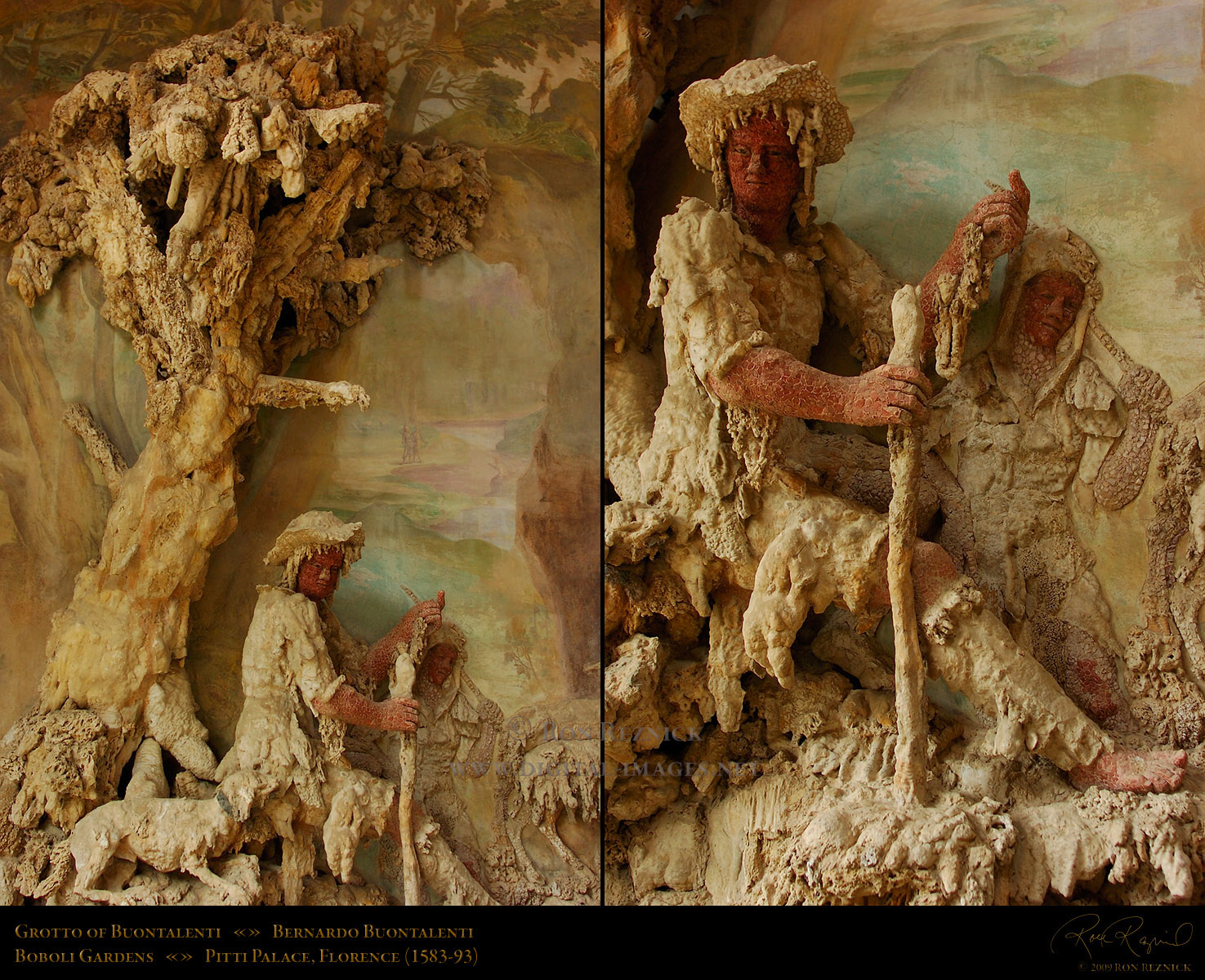
Grotto of Buontalenti 5821 Natural grottos were often used by shepherds
|
|||||||||||||||||||||||||||
|
Grotto of Buontalenti 5764 Grottos are usually either near water or are flooded at least part of the time. The Grotto of Buontalenti used to have waterworks and extensive vegetation. It was the one of the first of many Mannerist grottos which were built in Italy and later in France and elsewhere (Nicolo Tribolo, who designed the Boboli Gardens just before he died, created the grotto at the Medici Villa Castello near Florence. Yet another instance where the Medici were first in the institution of an art form that spread throughout Europe after being seen by visiting dignitaries.
|
||||||||||||||||||||||||||||
|
Grotto of Buontalenti 5758 The grotto was begun by Giorgio Vasari
|
Grotto of Buontalenti 5835 The architecture of this grotto is also by
|
|||||||||||||||||||||||||||
|
Grotto of Buontalenti 5761 This is my favorite scene from the first cavern (additional details are in the composite below).
|
||||||||||||||||||||||||||||
|
Grotto of Buontalenti 5824, 5838 My favorite character from the first cavern is the shepherd.
|
||||||||||||||||||||||||||||
|
Bathing Venus Giambologna Grotto of Buontalenti 5779 Another of Giambologna’s masterpieces, Bathing Venus is one of a series of sculptures he
|
||||||||||||||||||||||||||||
|
Dacian Prisoners Boboli 5844, 5851 Next to the entrance/exit to the Boboli Gardens is this magnificent surprise. Two ancient Roman statues of prisoners from Trajan’s Dacian Wars, brought to the Images on this page are in a number of different Galleries on the Photoshelter website.
There are 11 Galleries in the Photoshelter Florence Collection
|
||||||||||||||||||||||||||||
|
For much more art from Florence:
|
||||||||||||||||||||||||||||
|
|
||||||||||||||||||||||||||||